The Florida Everglades is one of the most unique ecosystems in North America — a slow‑moving river of grass filled with wading birds, turtles, amphibians, and mammals found nowhere else. But over the last two decades, the Everglades has become ground zero for one of the most dramatic invasive‑species crises in the United States.
What began as a trickle of escaped or released pets has turned into a full‑scale ecological disruption. The Florida Everglades is being reshaped by non-native animals, reptiles. birds amd fish. These non‑native predators are wiping out native mammals, competing with local wildlife, and proving nearly impossible to remove.
For PA Researchers, this is another example of how exotic pet releases can reshape entire ecosystems far from their original homes.
Top 5 Most Damaging Reptile Invaders:
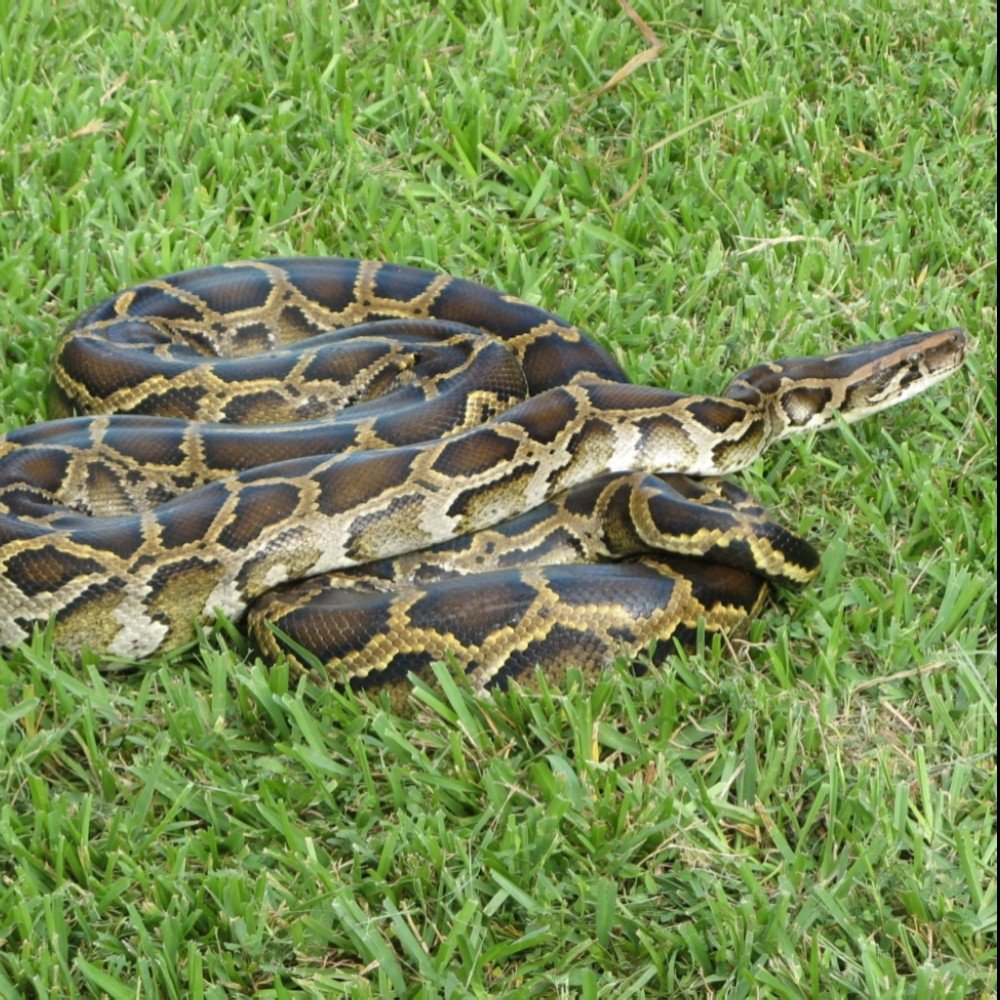
Burmese Python
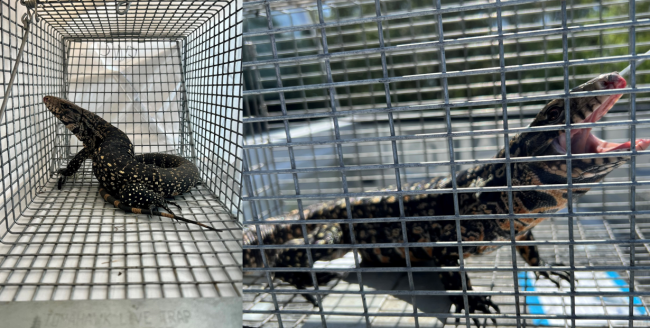
Nile Monitor
Argentine Tegu
Green Iguana
Boa Constrictor
Why the Everglades Is So Vulnerable:
The Everglades is a perfect storm for invasives:
Warm climate
Dense vegetation
Abundant prey
No natural predators large enough to control pythons
High human population nearby (pet trade, escapes, releases)
Once an invasive reptile becomes established, eradication becomes nearly impossible.
Major Invasive Groups:
Reptiles:
Burmese python
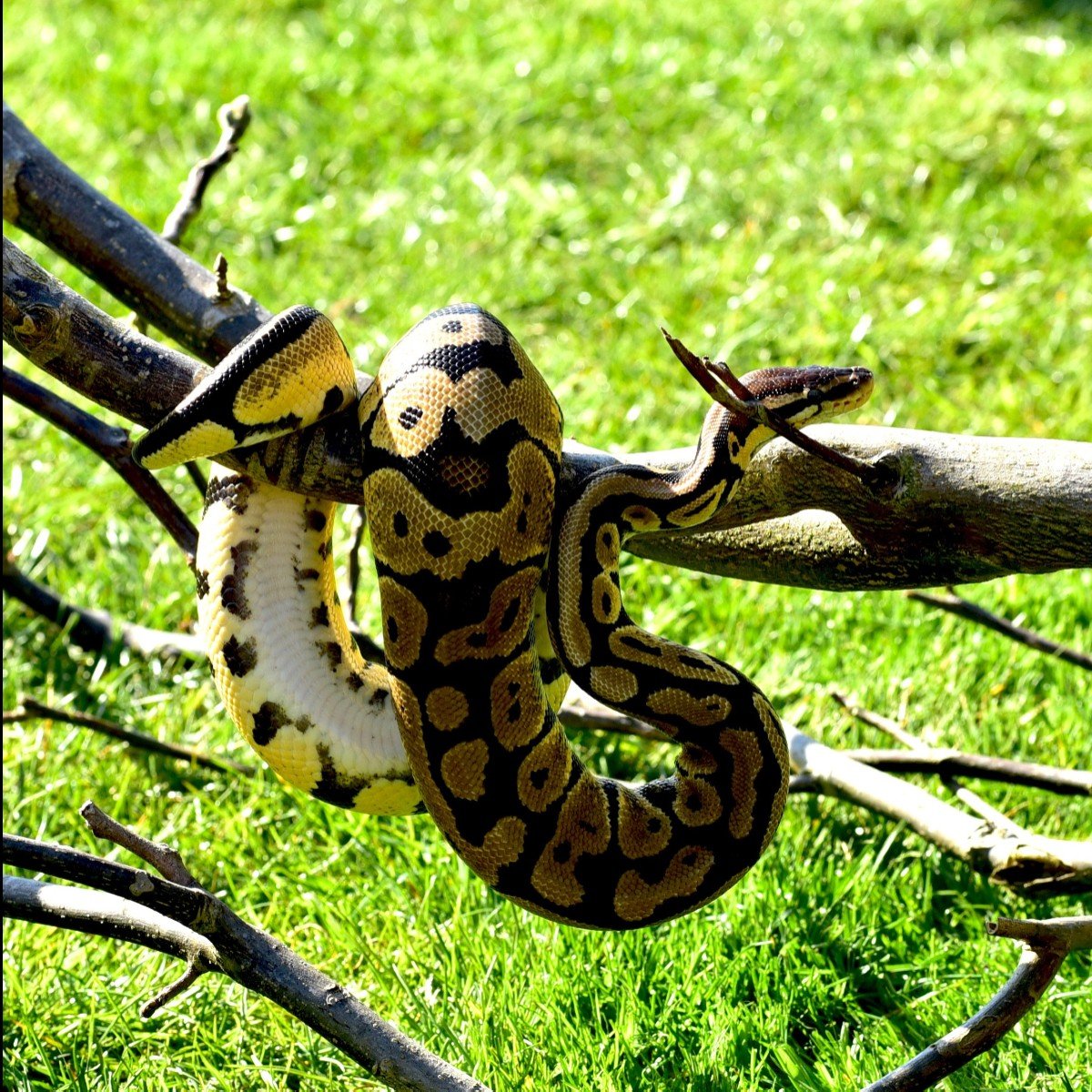
Ball python
Boa constrictor
Argentine tegu
Nile monitor
Green iguana
Spectacled caiman
Mammals:
Feral hogs
Nutria
Rhesus macaques
Black rats
Fish & Amphibians:
Fish:
Walking catfish
Mayan cichlid
Oscar
Tilapia
Snakehead
Amphibians:
Cuban treefrog
Cane toad
Greenhouse frog
Specifics on the Burmese Python:
The Burmese python (Python bivittatus) is the largest, most infamous invasive snake in Florida. They are responsible for severe mammal declines. Adults commonly reach 10–16 feet, with the largest confirmed individuals exceeding 18 feet.
Why They’re a Problem:
Burmese pythons are:
Powerful ambush predators
Highly adaptable
Capable of consuming prey as large as deer
Prolific breeders (females lay 50–100 eggs per clutch)
The python’s impact is so severe that some biologists describe the Everglades as having undergone a “silent collapse” of small mammal populations.
Ecological Damage:
Native Mammal Declines:
Raccoons ↓ 99%
Opossums ↓ 98%
Bobcats ↓ 87%
Marsh rabbits nearly gone
Predation & Competition:
Pythons consume mammals, birds, reptiles
Tegus raid nests
Nile monitors prey on small mammals
Iguanas outcompete native herbivores
Cichlids displace native fish
Cuban treefrogs eat native frogs
Habitat Destruction:
Feral hogs uproot vegetation
Nutria destroy marsh plants
Invasive fish degrade aquatic vegetation
Why the Everglades Is So Vulnerable:
Tropical climate
Dense vegetation hides invaders
Long breeding seasons
No natural predators for large snakes
High human population nearby
Storm‑driven escapes
Human Impact:
Exotic pet trade
Illegal releases
Accidental escapes
Landscaping plants becoming invasive
Urban expansion
Current Control Efforts:
Despite these efforts, experts agree the Everglades will never return to its pre‑python state.
Python Removal:
Trained hunters
Public python challenges
Radio‑tagged “scout snakes”
Nest‑finding drones
Monitoring & Education:
Camera traps
Wildlife surveys
Genetic studies
“Don’t Release Pets” campaigns
Exotic pet amnesty days
Why This Matters Beyond Florida:
Invasive species don’t stay put. As climates warm, species that thrive in Florida may eventually survive farther north. Pennsylvania already sees exotic pet releases — turtles, snakes, lizards — making Florida’s experience a warning for other states.
DID YOU KNOW?
The Everglades is the only place on Earth where American alligators and American crocodiles live side‑by‑side.
Burmese pythons can go months without eating — then consume prey as large as deer or alligators.
Florida has more established non‑native reptiles than any other U.S. state.
Cuban treefrogs eat native frogs, lizards, and even small snakes — and their skin secretions can irritate human eyes.
Walking catfish can travel across land using their pectoral fins, allowing them to invade new waterways after storms.
Nutria can consume up to 25% of their body weight in vegetation per day, rapidly destroying marsh habitats.
Green iguanas can fall from trees during cold snaps — a phenomenon known as “frozen iguanas,” though they often recover.
Monk parakeets build massive stick nests that can weigh hundreds of pounds and damage electrical infrastructure.
Cane toads produce toxins strong enough to kill pets and native predators that attempt to eat them.
Argentine tegus can survive cooler temperatures, raising concerns they may expand northward into other states.
The Everglades once supported thriving populations of marsh rabbits — now nearly wiped out in python‑heavy regions.
Some invasive fish, like Mayan cichlids, were originally released from home aquariums.
Nile monitors can swim, climb, and run — making them one of the most adaptable invasive predators in Florida.
Florida’s invasive species list includes animals from Asia, Africa, South America, Central America, and the Caribbean.
The Everglades is actually a slow‑moving river, not a swamp — flowing about one foot every 30 minutes.
Feral hogs uproot vegetation so aggressively that their damage can be seen from aircraft.
The Florida panther is native — but no verified black panther has ever been documented in the state.
Some invasive species arrived through cargo shipments, not the pet trade — including insects, fish, and small reptiles.
The Everglades provides drinking water for over 8 million Floridians — meaning invasive species indirectly affect people too.
ARE THERE “BLACK PANTHERS” IN FLORIDA?
Short answer: Not exactly — but close.
Florida does not have true black panthers (melanistic leopards or jaguars). However, Florida does have the Florida panther, a subspecies of the cougar (Puma concolor coryi).
Important notes:
Florida panthers are tawny/light brown, not black.
No verified black panther has ever been documented in Florida.
Many “black panther sightings” are actually:
black bobcats
dark‑colored house cats
misidentified shadows
unverified folklore
So yes — Florida panthers still exist, but they are not black.
Current population estimate: 150–230 individuals, mostly in southwest Florida.