Spiders are a normal part of life in Pennsylvania. Some are harmless, some can bite, and a few can cause painful reactions — especially when infection sets in. This guide covers the spiders Pennsylvanians actually encounter, which ones can bite, what their bites look like, and when to seek medical care. It also clears up common myths, including the confusion around brown recluse bites in our state.
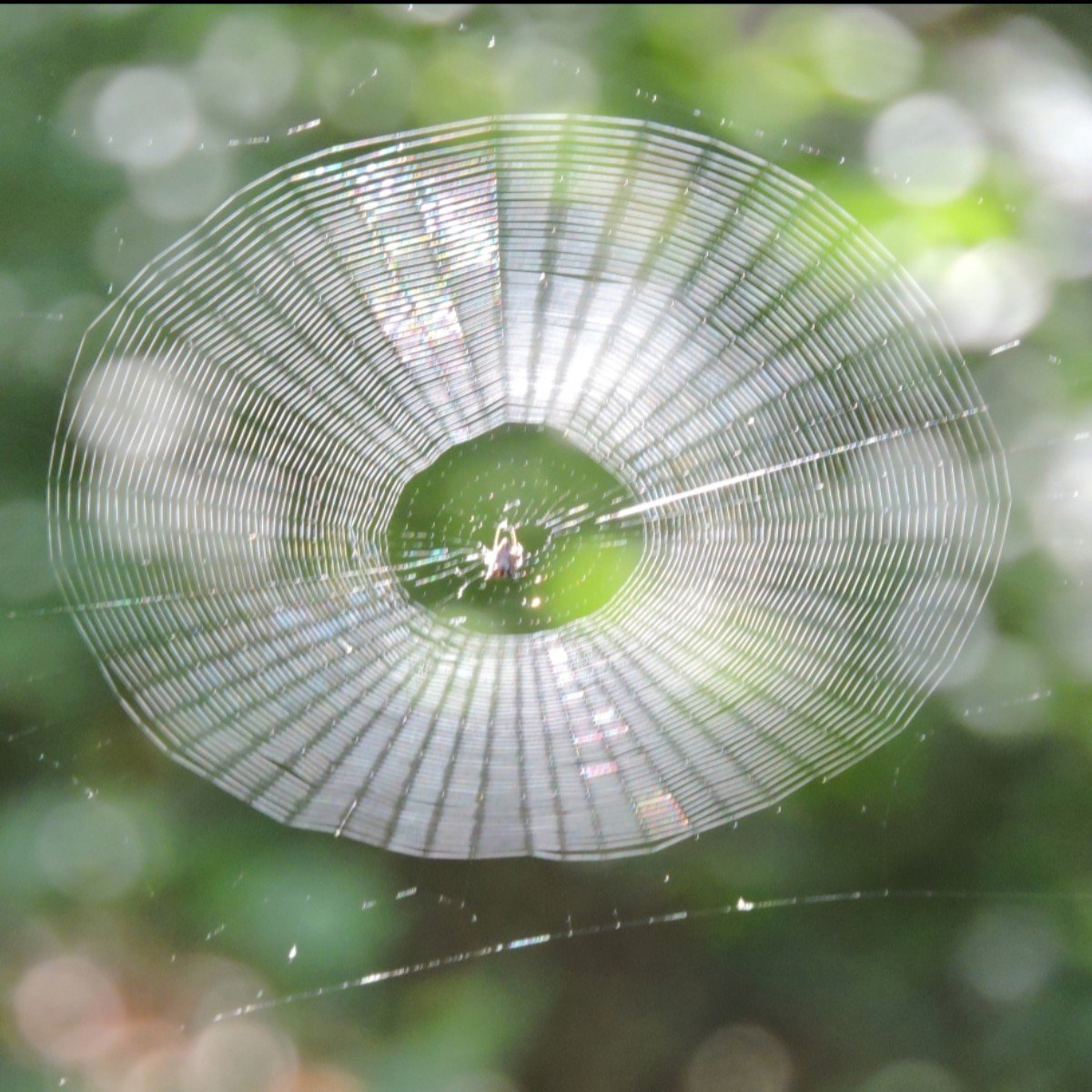
Spider webs are a sign of a healthy ecosystem. Orb weavers, funnel weavers, and house spiders all build webs that help control insect populations.
Spiders in Pennsylvania That Can Bite:
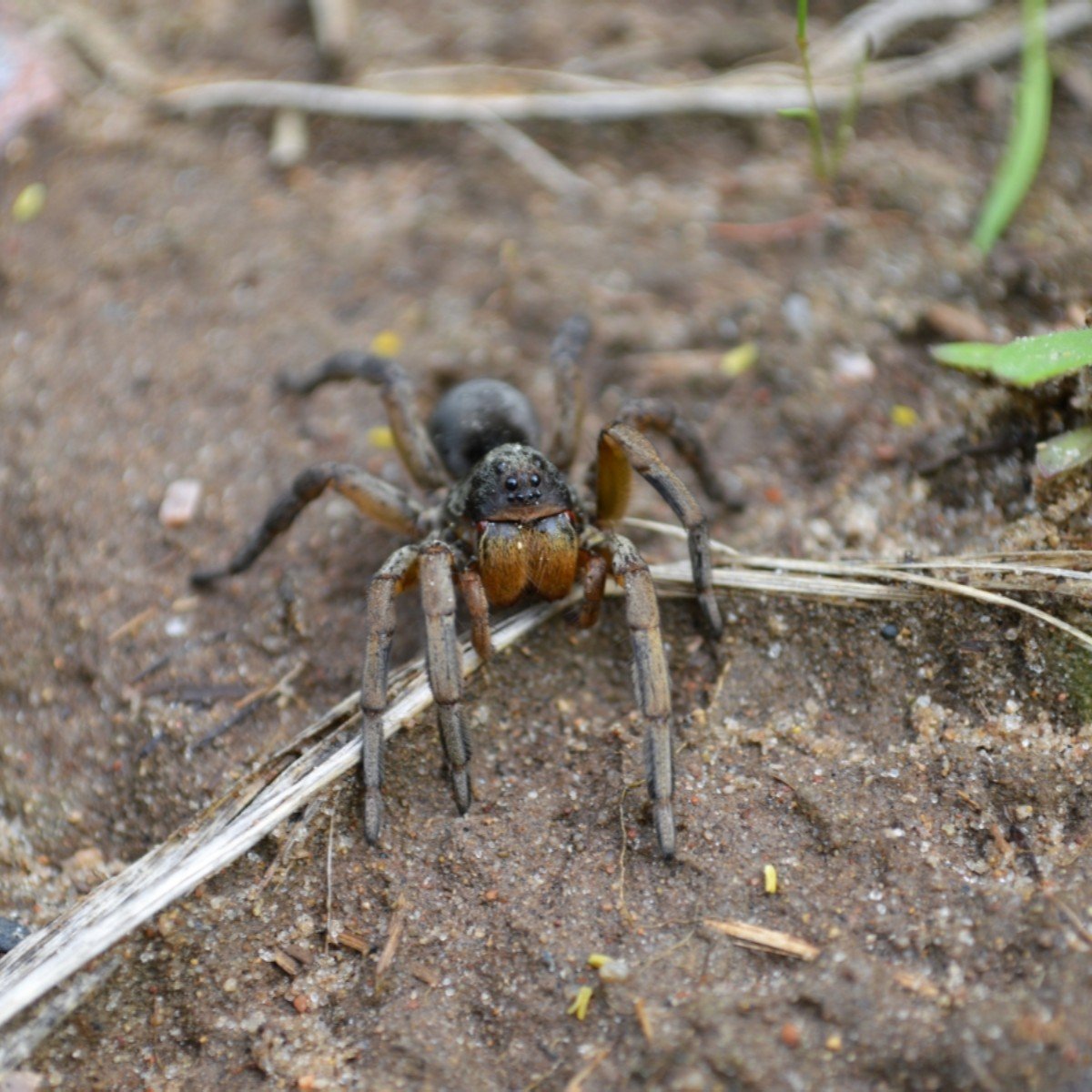
Wolf Spiders (Can Bite, But Not Dangerous).
Wolf spiders are large, fast, and often found in basements, garages, and gardens. Their size makes them look intimidating, but they are not medically significant.
Bite symptoms:
Painful pinch
Redness
Mild swelling
Most wolf spider bites heal quickly unless infection develops.
Jumping Spiders (Harmless and Curious).
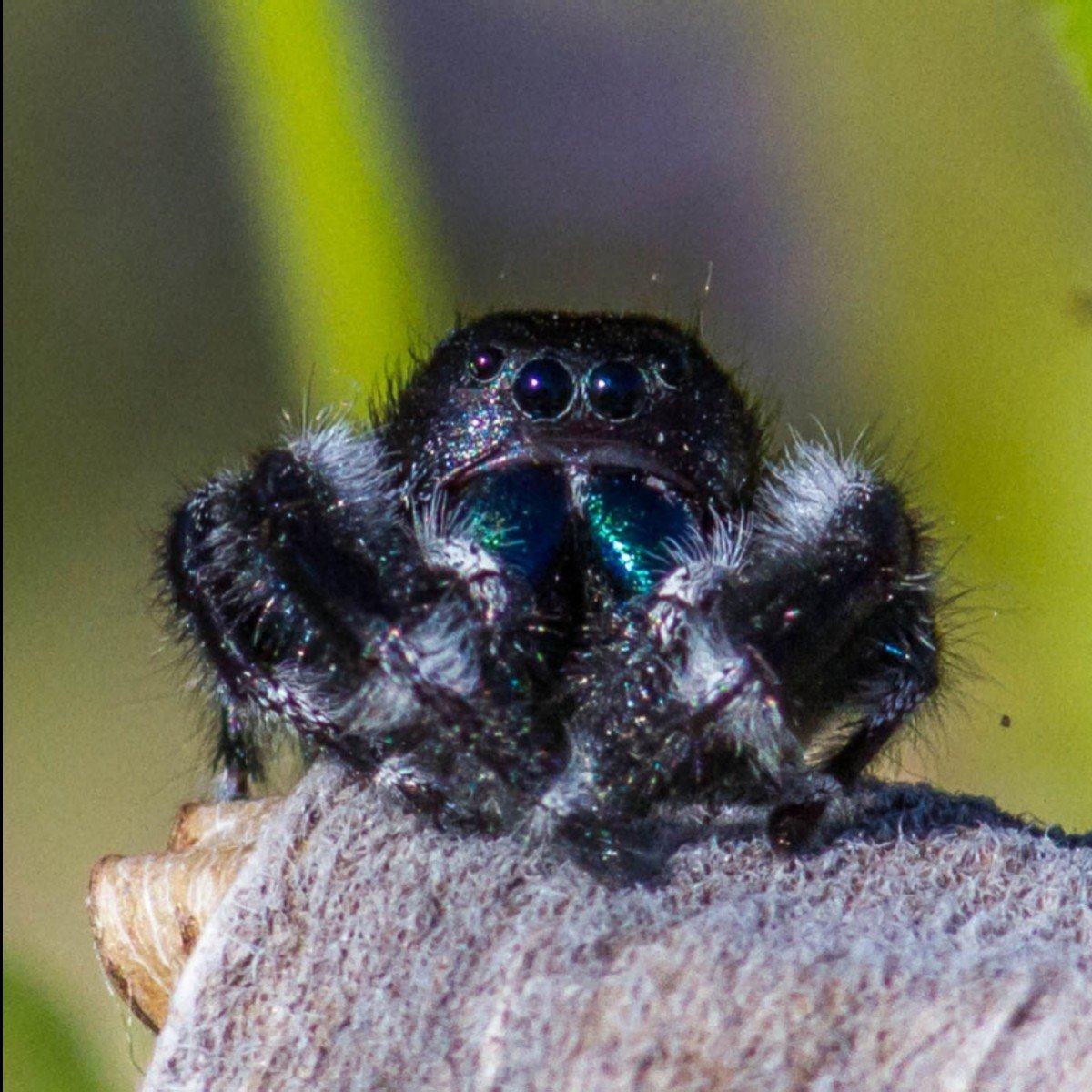
Jumping spiders are small, active, and often approach humans out of curiosity. They have excellent vision and are one of the most harmless spiders in Pennsylvania.
Bite risk: Extremely low Medical concern: None
They’re more likely to watch you than bite you.
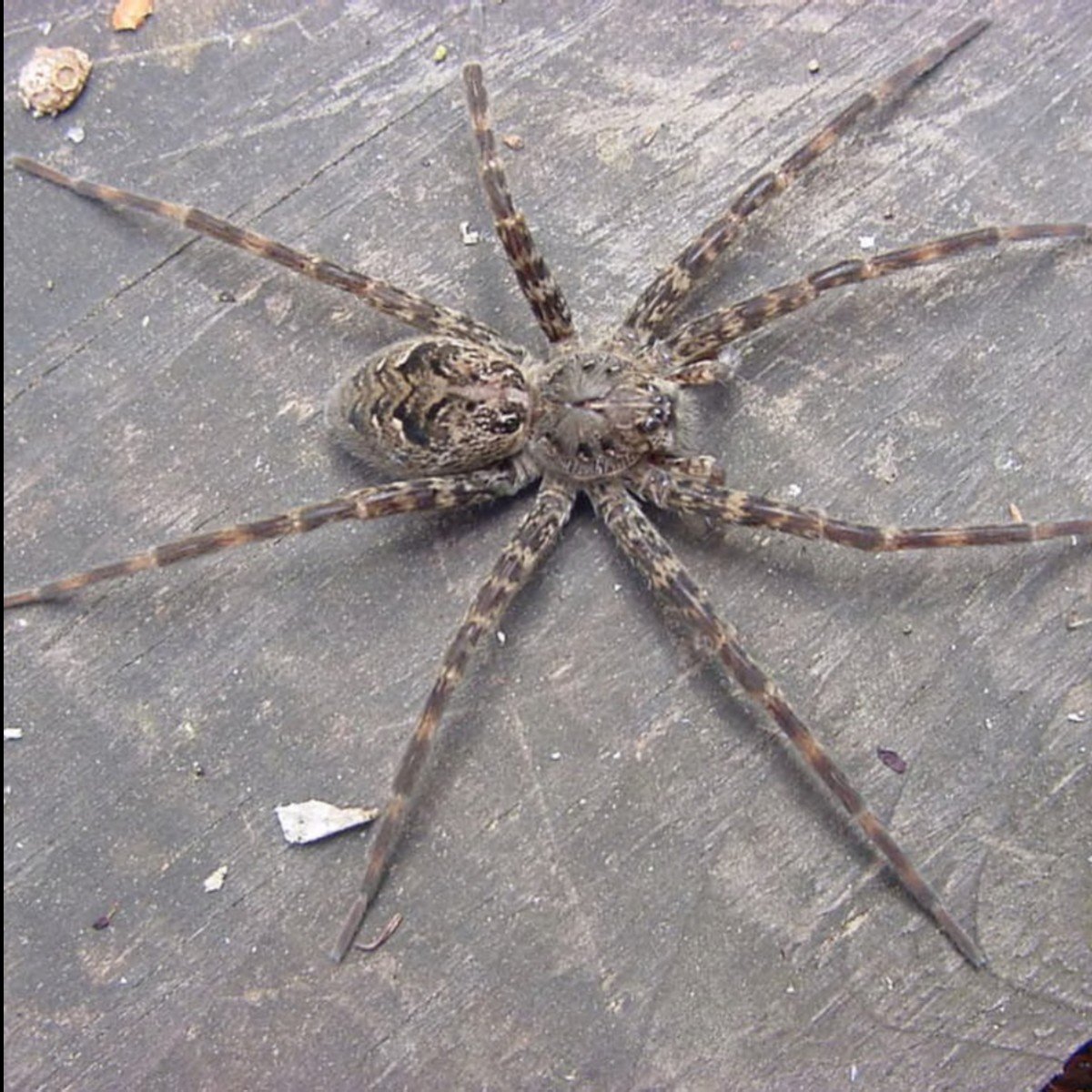
Fishing Spiders (Large but Low Risk).
Fishing spiders (Dolomedes species) are among the largest spiders in Pennsylvania. They can run across water and often live near ponds, streams, and wooded areas.
Bite risk: Low Medical concern: Mild
Their size scares people more than their bite ever will.
Yellow Sac Spiders (Most Common Biter in PA).
Yellow sac spiders are responsible for more spider bites in Pennsylvania than any other species. They hide in corners, curtains, and ceilings.
Bite symptoms:
Sharp initial sting
Redness
Itching
Small necrotic center possible
High chance of infection if untreated
Many “brown recluse bites” in PA are actually yellow sac spider bites + infection.
Parson Spiders (Fast Indoor Spider).
Parson spiders are black-and-gray spiders that move quickly and often surprise homeowners.
Bite symptoms:
Sharp pain
Mild swelling
Itching
Not dangerous, just startling.
Northern Black Widow (Rare but Real in PA).
The northern black widow is the only medically significant venomous spider in Pennsylvania.
Where they live:
Woodpiles
Old sheds
Abandoned structures
Southern PA counties
Bite symptoms:
Severe pain
Muscle cramps
Sweating
Nausea
Widow bites require medical attention, but they are rare.
Garden Spiders (Harmless Orb Weavers).
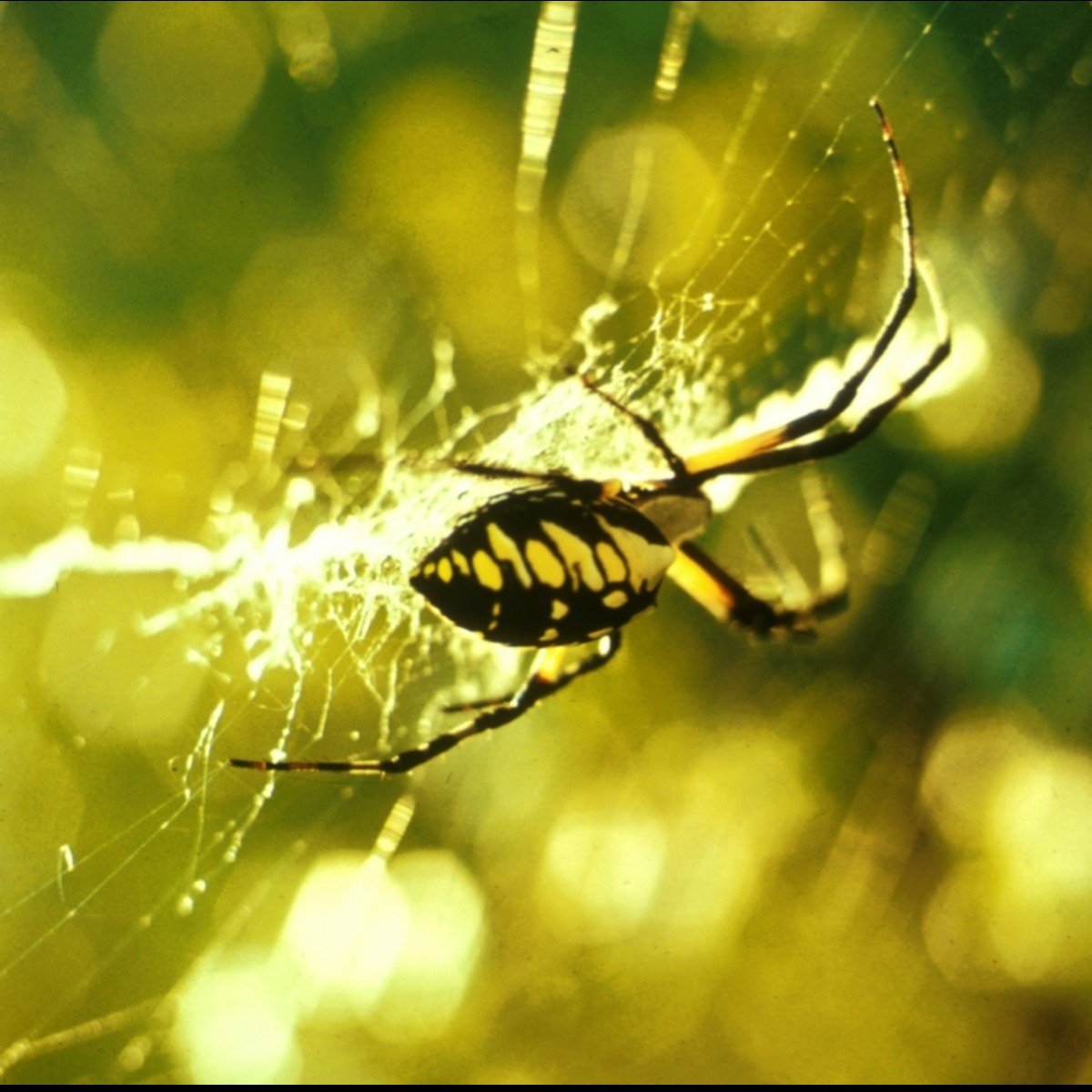
Garden spiders build large, beautiful webs and are completely harmless to humans.
Bite risk: None Medical concern: None
They’re excellent pest control and a common sight in Pennsylvania gardens.
What About Brown Recluses?
This is one of the most misunderstood topics in Pennsylvania.
✔ Brown recluses are not native to Pennsylvania.
✔ Verified specimens are extremely rare.
✔ There are no established populations.
✔ Most “recluse bites” are actually infections or other spider bites.
Many Pennsylvanians believe they were bitten by a recluse because their wound became necrotic — but necrosis is far more commonly caused by:
MRSA
Streptococcus infections
Yellow sac spider bites
Delayed treatment
Secondary infection after any bite or scratch
Even doctors sometimes use “brown recluse bite” as a placeholder diagnosis.
*****************************
Does the FWS acknowledge Brown Recluse Spiders in PA?
No. The U.S. Fish & Wildlife Service does not acknowledge the brown recluse spider in Pennsylvania because:
The species is not native to Pennsylvania
It is not federally managed
It is not endangered or invasive
Verified specimens in the Northeast are extremely rare
What To Do If You’re Bitten:
Spider Bite Symptoms: What’s Normal and What’s Not:
Normal bite reactions:
Redness
Swelling
Itching
Mild pain
Concerning symptoms:
Spreading redness
Cloudy fluid
Fever or chills
Severe pain
Muscle cramps (possible widow bite)
Necrosis (often infection, not venom)
What To Do If Bitten:
1. Clean the bite:
Use soap and water.
2. Apply ice:
Reduces swelling and pain.
3. Elevate the limb:
Helps reduce inflammation.
4. Use a clean bandage:
Non-stick dressing is best.
5. Monitor for infection:
Most serious complications come from bacteria, not venom.
Seek medical care if:
Pain worsens
Necrosis appears
Redness spreads
You suspect a black widow bite
The bite is on a child
Spider Identification: Eye Patterns and Vision
Fun Fact: Spider Eye Patterns in Pennsylvania.
Most people aren’t leaning in to count spider eyes — they’re already halfway across the yard. But eye patterns are one of the coolest (and least‑known) ways scientists identify spiders, and they reveal a lot about how each species lives, hunts, and sees the world.
Eye patterns are a fun fact, not a field test. They’re useful for identification guides, wildlife photography, and understanding spider behavior — not for real‑life encounters where most people are too busy saying “nope” and heading in the opposite direction.
Here’s how some of Pennsylvania’s common species stack up:
Quick Spider Eye Pattern Comparison:
WOLF SPIDER – 8 eyes, 3 rows
JUMPING SPIDER – 8 eyes, huge front eyes
YELLOW SAC SPIDER – 8 eyes, 2 straight rows
PARSON SPIDER – 8 eyes, wolf-like pattern
ORB WEAVER – 8 eyes, curved rows
BLACK WIDOW – 8 eyes, small rows
BROWN RECLUSE – 6 eyes, 3 pairs (not native to PA)
- Wolf Spiders – 8 Eyes
Eight eyes arranged in three rows. The top two reflect light like tiny headlights, which is why wolf spiders seem to “glow” in flashlight beams.
- Jumping Spiders – 8 Eyes
Two huge forward-facing eyes give them excellent vision. They stalk prey like tiny cats.
- Yellow Sac Spiders – 8 Eyes
Two neat rows of four. Small, pale, and very common in Pennsylvania homes.
- Orb Weavers – 8 Eyes
Eight eyes arranged in two curved rows. Perfect for web-building.
- Black Widows – 8 Eyes
Eight small eyes in two rows. Widows rely more on web vibration than eyesight.
- Brown Recluse – 6 Eyes (Not Native to PA)
Three pairs of eyes — a unique pattern. Useful for identification in photos, not real-life encounters.
Final Thoughts:
Pennsylvania has many spiders, but only a few can bite — and most bites are mild. Severe reactions usually come from infection, not venom. Knowing which spiders live here and how to identify them helps reduce fear and misinformation, and gives you a clearer picture of what’s actually crawling around your home and garden. Understanding the spiders that live here makes the outdoors feel a lot less intimidating and a lot more interesting.