Views: 0
Venomous Snakes in PA

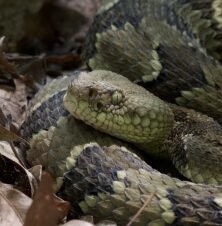
Timber Rattlesnake (Crotalus horridus)
Thick body with dark chevron bands, a tail rattle, and heat‑sensing facial pits. Found on rocky ridges and remote forested hillsides. Protected in PA.
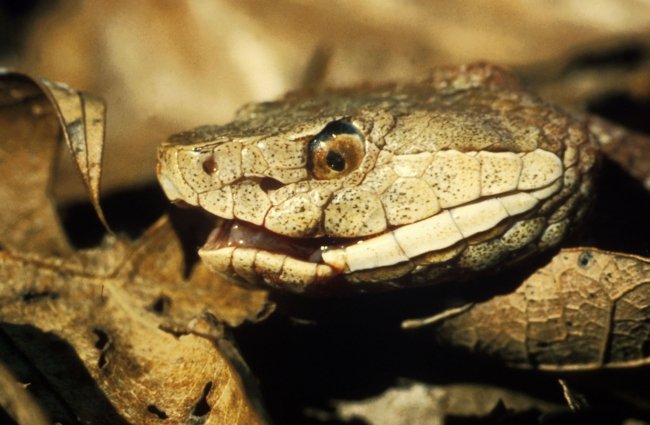
Northern Copperhead (Agkistrodon contortrix)
Copper‑colored head, hourglass‑shaped bands, and heat‑sensing pits. Lives in rocky woodlands, old quarries, and sunny edges near water. Often confused with harmless species.
Non‑Venomous Snakes in PA

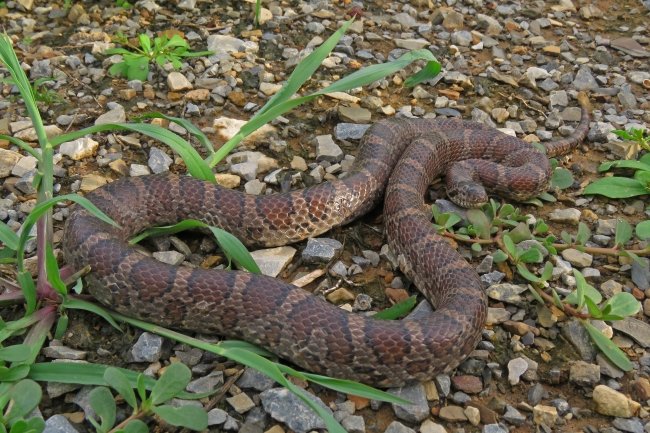
Eastern Milk Snake (Lampropeltis triangulum)
Gray or tan with reddish‑brown blotches and round pupils. Found in barns, fields, forests, and rock piles. Excellent rodent control.
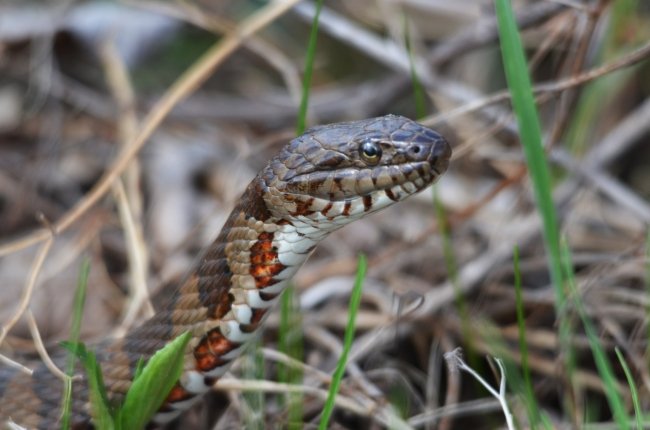
Northern Water Snake (Nerodia sipedon)
Brown or gray with dark crossbands. No facial pits. Lives near lakes and rivers. Often mistaken for cottonmouths (which do NOT live in PA).
Northern Water Snake (Nerodia sipedon)
Brown or gray with dark crossbands. No facial pits. Lives near lakes and rivers. Often mistaken for cottonmouths (which do NOT live in PA).
Eastern Hognose Snake (Heterodon platirhinos)
Upturned snout, round pupils, and dramatic defensive displays (hissing, flattening, playing dead). Harmless and quirky.
Venomous snakes in PA have heat‑sensing pits
Non‑venomous snakes have round pupils
Rattlesnakes have a rattle, but young ones may only have a button
Pattern alone is unreliable — many harmless snakes mimic venomous ones
Snakes avoid people; most bites happen when someone tries to handle or kill them
Why Snakes Matter:
Snakes help control rodents and insects, support hawks and foxes, and keep ecosystems balanced. Many species are declining due to habitat loss and fear, so understanding them is the first step toward protecting them.
Always be careful when you are outside and hiking. If you are in an area that is known for venomous snakes, learn how to identify them. Keep your distance. This post is only one way to help identify them. Please, check out other recourses and learn everything you can about them.