Flight 93 – Shanksville, Pennsylvania (our visit November 11, 2001):
We visited the crash site of United Airlines Flight 93 on November 11, 2001 — just two months after the 9/11 attacks. At that time, nothing had been built yet. There was no visitor center, no memorial plaza, no walkway. Only a simple fence stood at the edge of the field, where people left flowers, flags, handwritten notes, and small personal tributes.
The atmosphere was incredibly quiet and still. The entire area felt peaceful, solemn, and a little eerie, knowing what had happened there only weeks before. Standing at the site so soon after the crash was an emotional experience — one that stays with you.
We haven’t been back since, and today the site looks completely different. A full national memorial now stands there, honoring the passengers and crew who fought back against the hijackers.
Please note: the photos included here were taken in 2001. Every photo we took that day in 2001 came out blurry or grainy, even though we were using a good camera and the weather was clear. It wasn’t the equipment, and it wasn’t the conditions — the images simply refused to come out sharp. It added to the strange, quiet, almost eerie feeling of being at the site so soon after the crash.


Quick Facts – Flight 93 Crash Site:
- Location: Shanksville, Pennsylvania (Stonycreek Township)
- Date of Crash: September 11, 2001
- Our Visit: November 11, 2001 — two months after the crash
- Site Condition in 2001: No buildings or memorial structures yet; only a simple fence for tributes
- Atmosphere: Quiet, serene, and slightly eerie
- Photos: All images from that day came out blurry or grainy, despite clear weather and a good camera
- Current Site: Now a full National Memorial with visitor center, walkway, and permanent exhibits
- Purpose of Memorial: Honors the passengers and crew who fought back against the hijackers
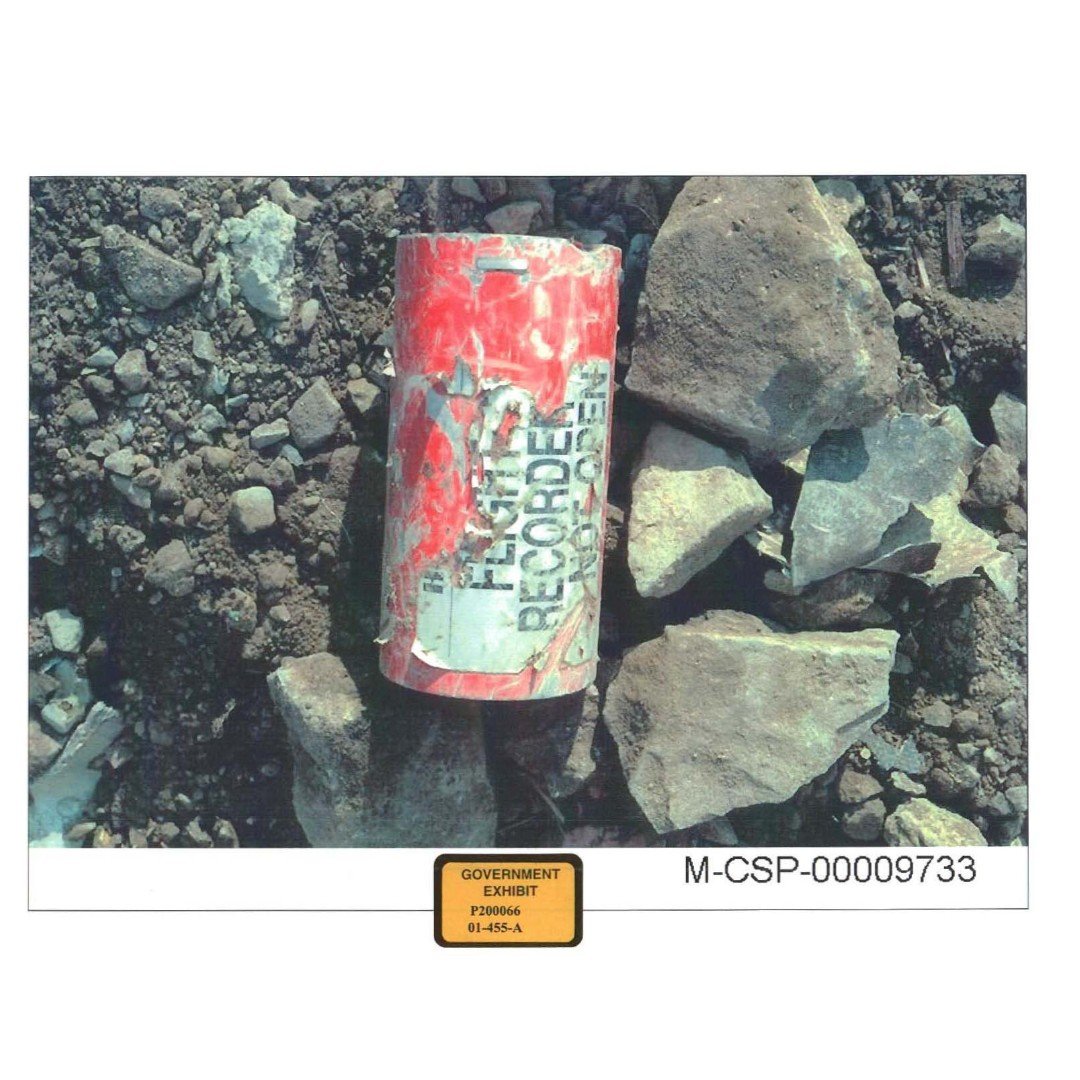
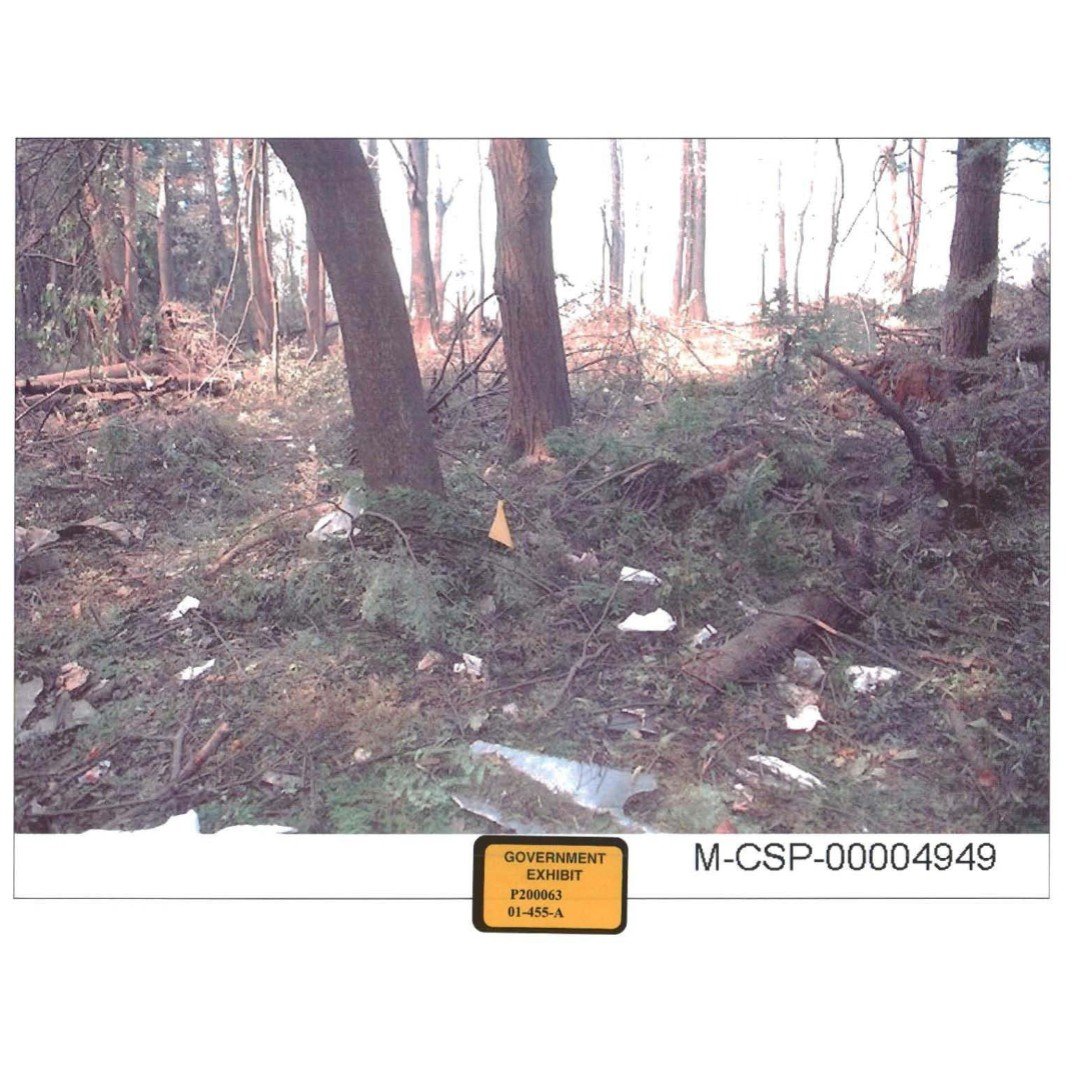
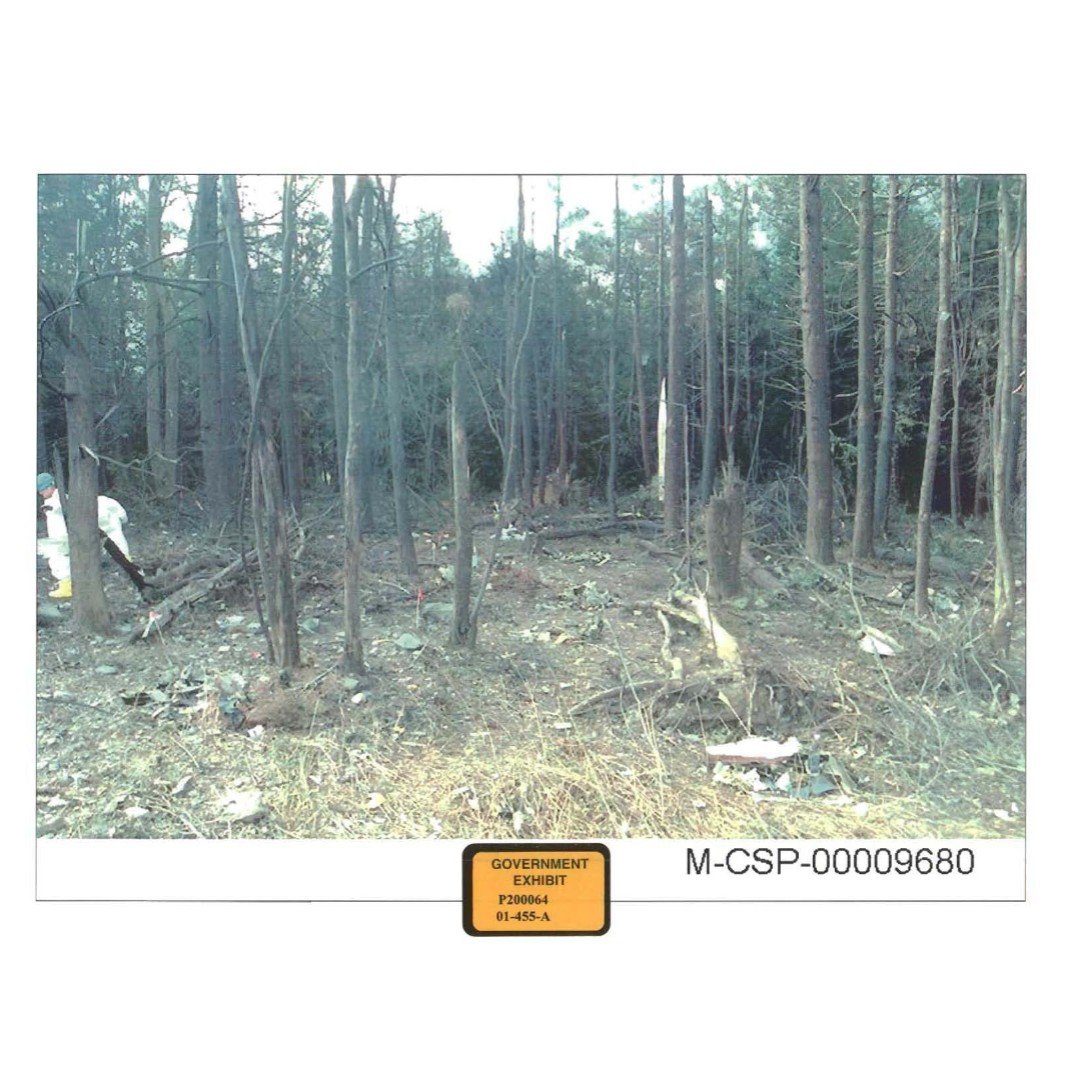
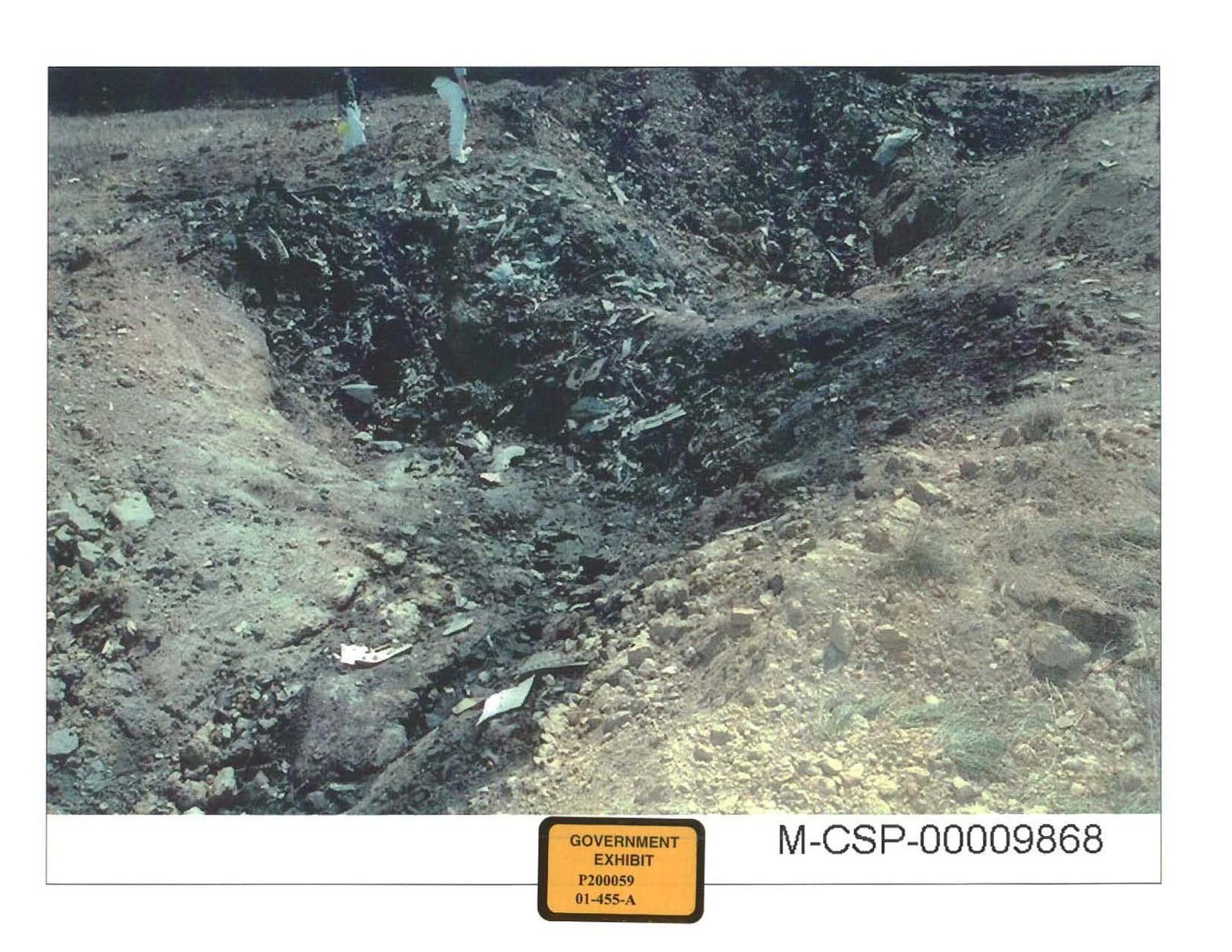
National Park Service Investigation Photos (September 2001)
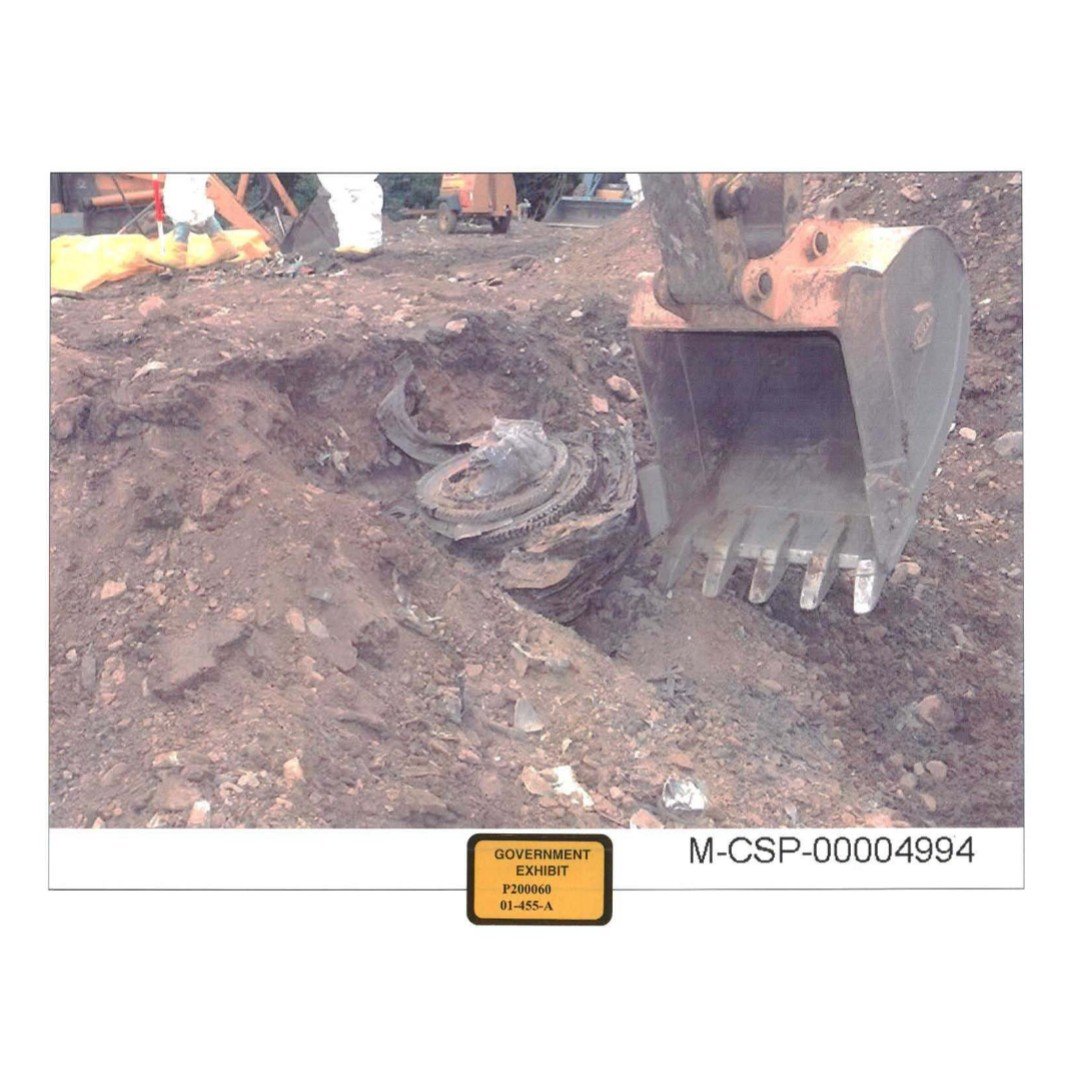
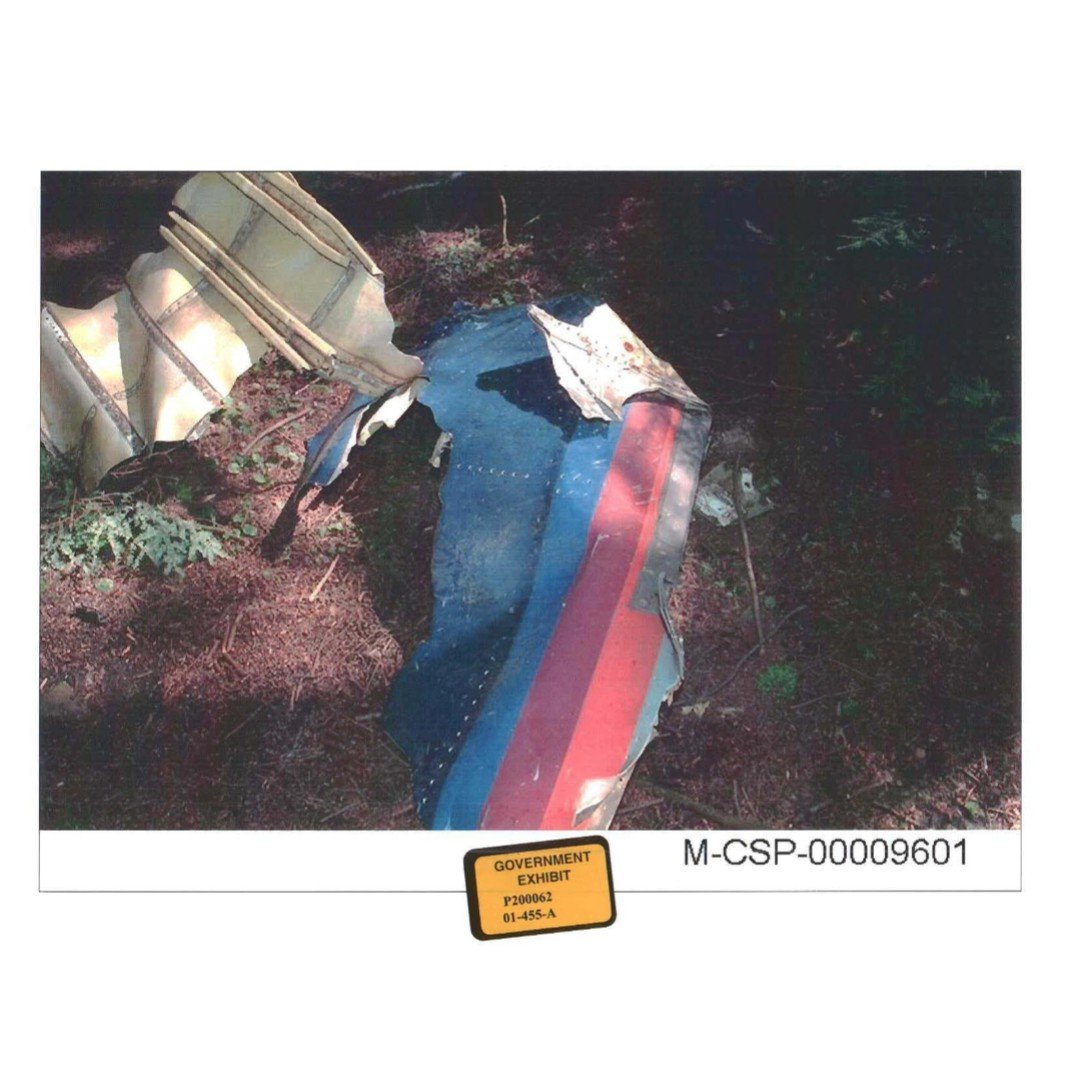
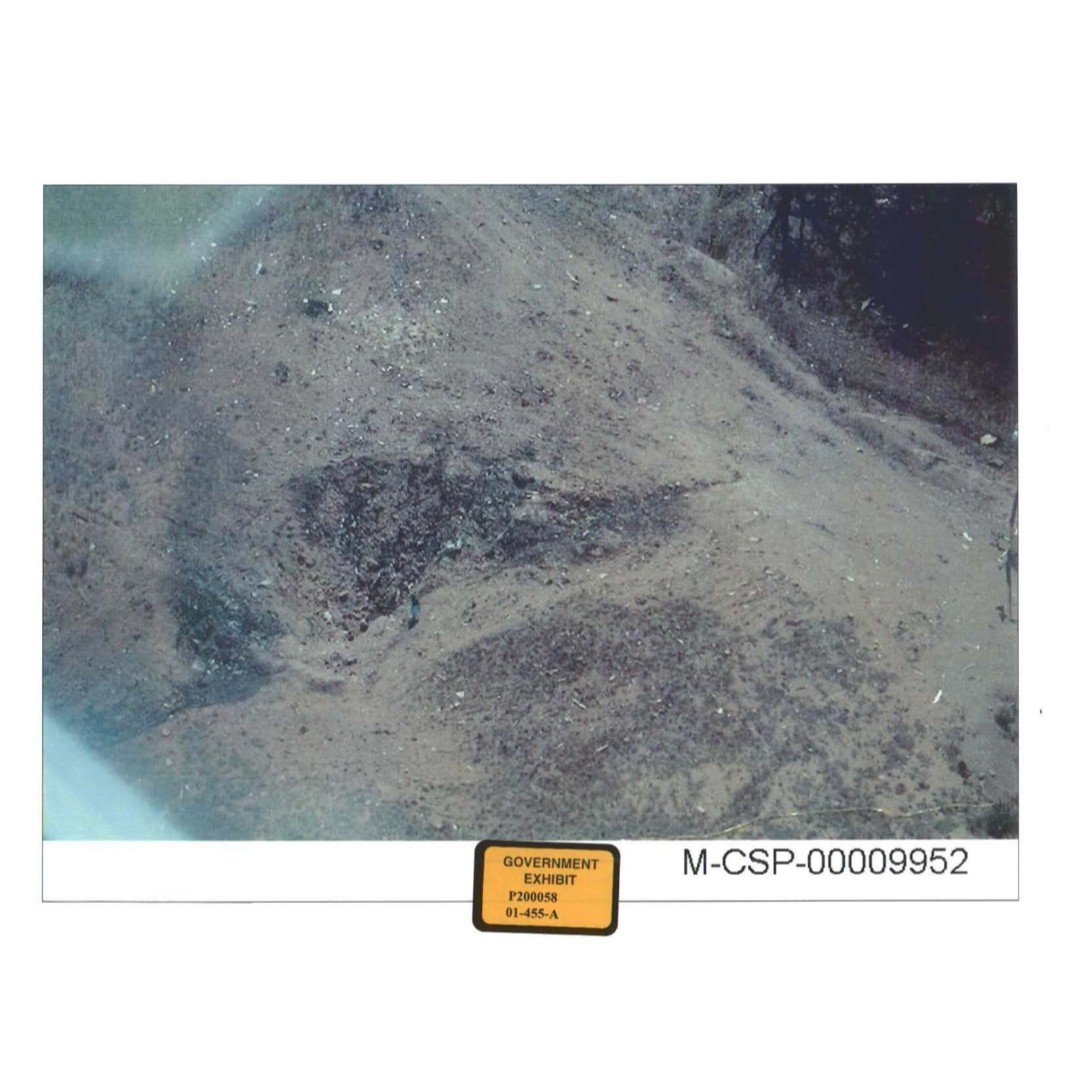
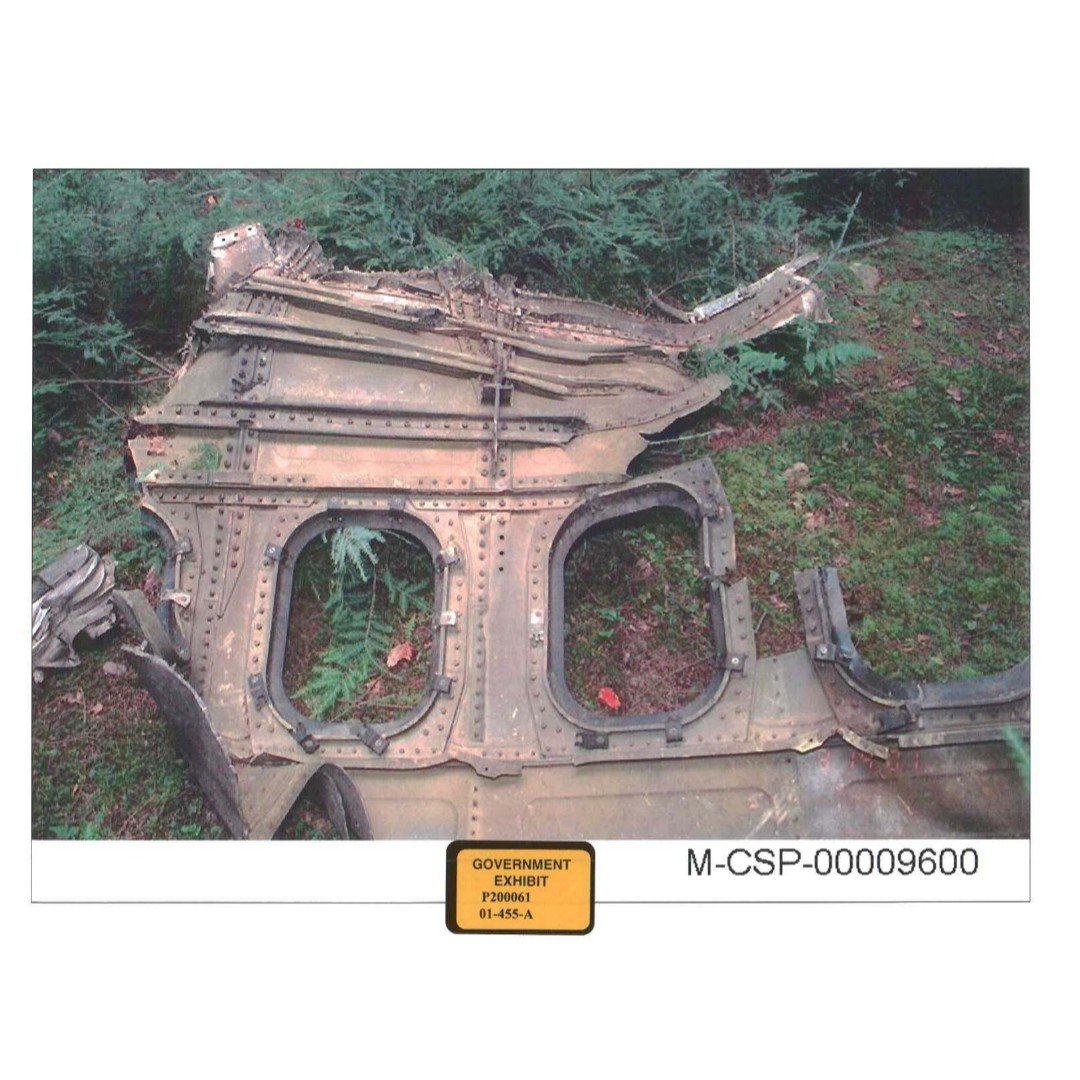
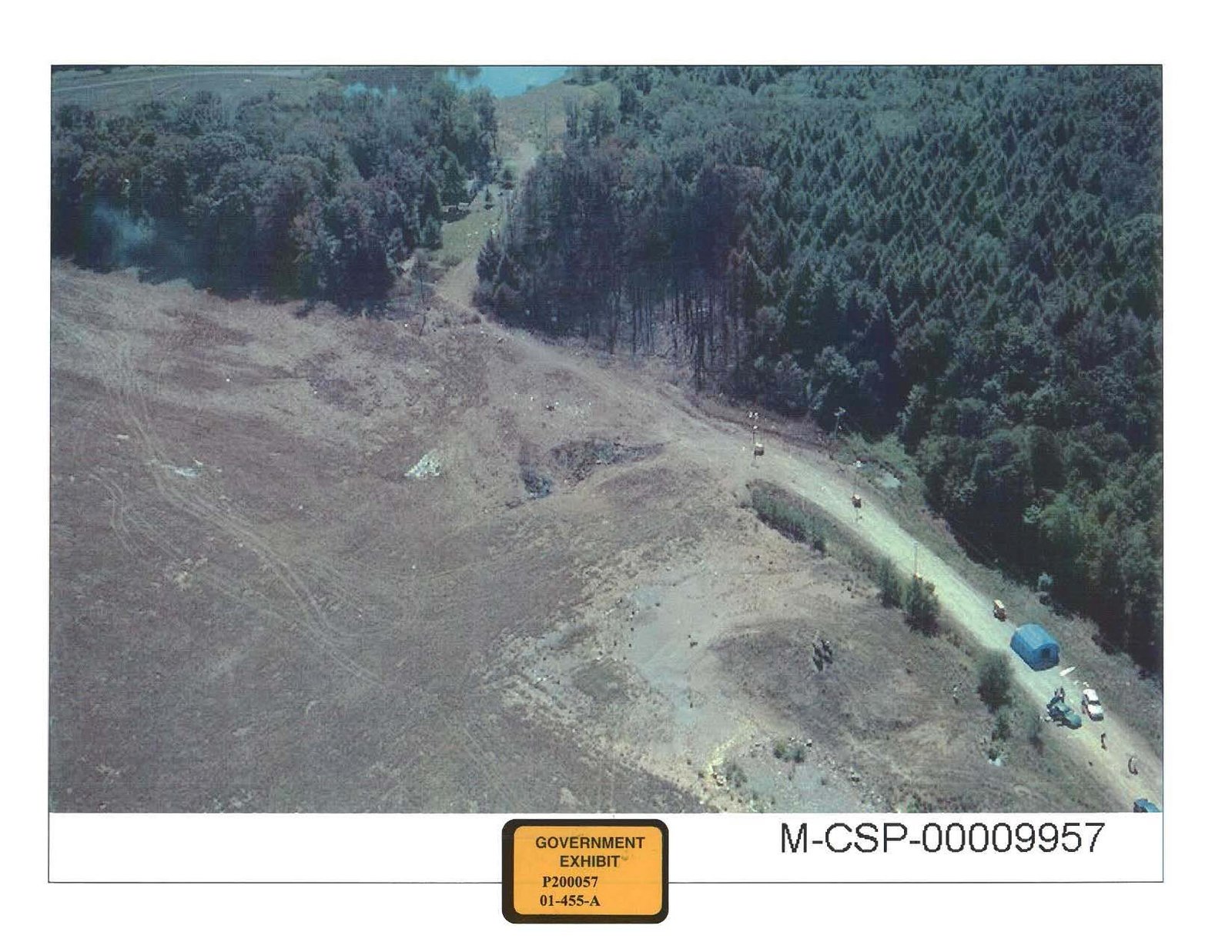
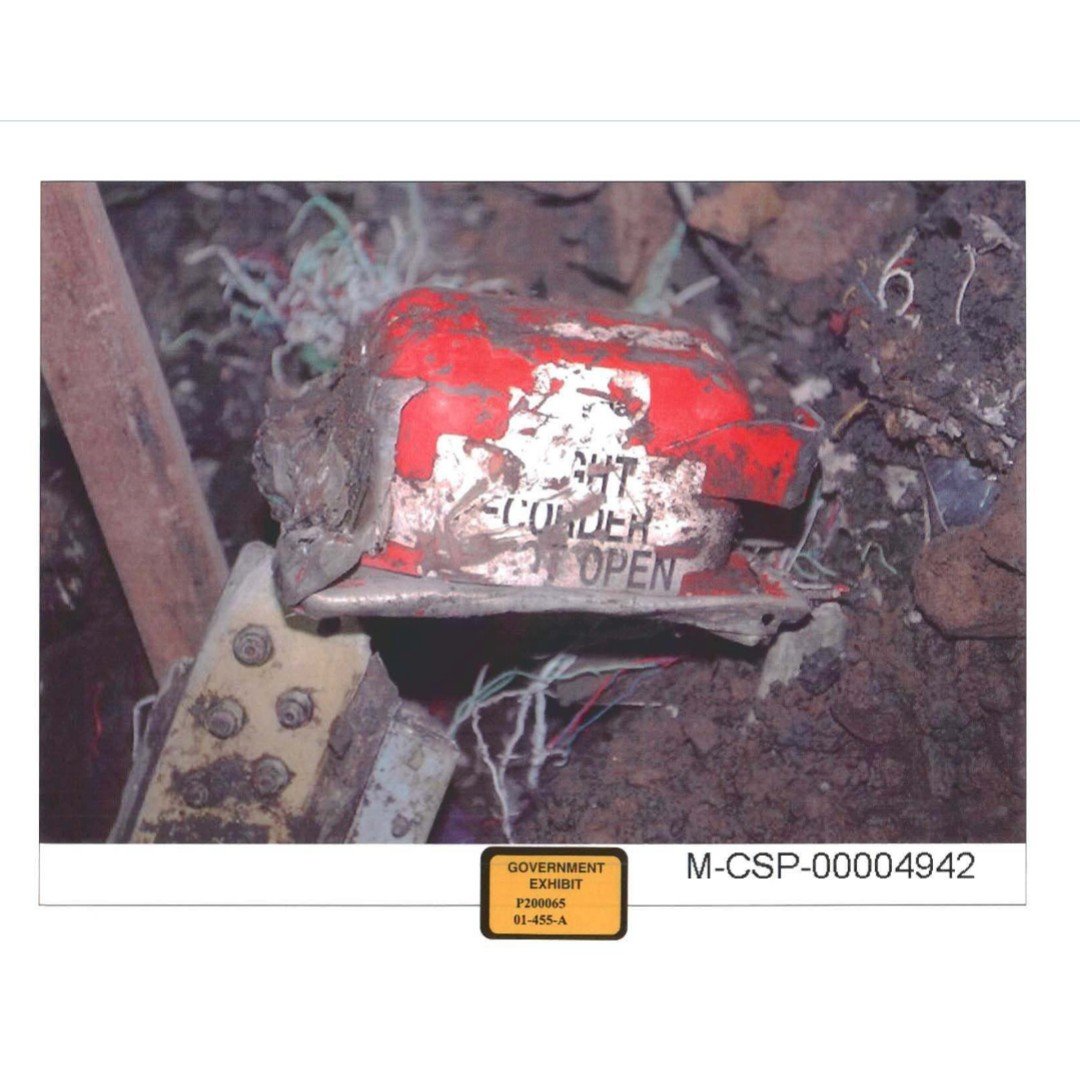
These official National Park Service photos (10 images shown below) were taken in the days immediately following the crash of Flight 93 and document the investigation, recovery work, and conditions at the site before any memorial construction began.
What the Aerial View Reveals:
The aerial view of the Flight 93 crash site provides a clear understanding of the impact pattern and the surrounding terrain. From above, the crater appears as a sharply defined scar in the field, showing where the aircraft struck the ground at high speed. The disturbed earth radiates outward from the point of impact, and the overhead perspective makes it easier to see how debris was scattered across the field and into the nearby tree line. This view also highlights the isolation of the crash site, surrounded by open land and forest, which contributed to the quiet, solemn atmosphere that remained long after the investigation ended. Seeing the site from above helps illustrate the full scale of the event in a way that ground‑level photos cannot.
Visiting the Flight 93 crash site only two months after the events of September 11 was an experience that has stayed with us for decades. The quiet field, the simple memorial fence, and the overwhelming stillness made the reality of what happened there feel immediate and deeply personal. Today, the National Memorial stands as a powerful tribute to the passengers and crew who fought back, and the official NPS investigation photos help preserve the earliest moments of the site’s history. By combining our own photographs with these public domain images, this page offers a complete visual timeline—from the raw, untouched landscape we witnessed in 2001 to the documented investigation that followed. It remains one of the most solemn places in Pennsylvania, and a reminder of the courage shown on that day.