What You Need to Know About This Creepy Invasive Flatworm:
Hammerhead worms — those long, slimy flatworms with a distinctive shovel‑shaped head — are showing up more often across the United States, and yes, they’re already in Pennsylvania. With recent news articles circulating about their spread, many Pennsylvanians are wondering what these worms are, whether they’re dangerous, and what to do if you find one.
Here’s a deep dive into this strange, toxic, and surprisingly destructive creature now creeping through the Keystone State.
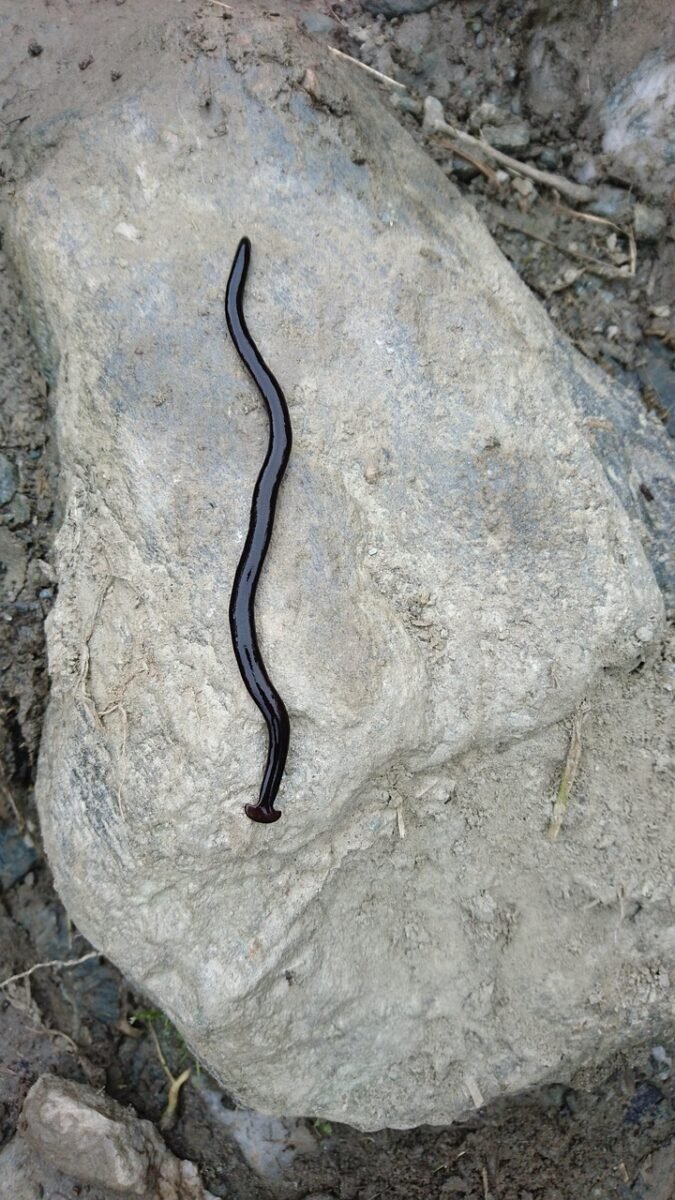
What Exactly Is a Hammerhead Worm?
Hammerhead worms (Bipalium species) are terrestrial flatworms originally from Southeast Asia. They’re named for their wide, fan‑shaped heads that resemble a hammer or shovel.
They thrive in:
Moist soil
Mulch and leaf litter
Shaded gardens
Under rocks, logs, and flowerpots
Greenhouse and nursery plants
They’re most active after rainy, humid weather — which is when most sightings occur.
Are Hammerhead Worms in Pennsylvania?
Yes. Penn State Extension confirms that multiple species of hammerhead flatworms have been introduced into Pennsylvania, and at least nine species have been found or are likely to occur outdoors in the state.
One species, Bipalium pennsylvanicum, is actually named after Pennsylvania because it was first described here.
Sightings have been reported in:
Western PA
Central PA
The Philadelphia region
Suburban gardens
Mulched landscaping
Potted plants brought home from nurseries
If you garden, hike, or move mulch around, you may eventually encounter one.
_____________________
Why Are They a Problem?
Hammerhead worms are more than just creepy — they’re invasive predators.
1. They eat earthworms.
This is the biggest concern. Earthworms are essential for:
Soil aeration
Nutrient cycling
Composting
Healthy gardens and forests
Hammerhead worms track earthworms using chemical cues, then immobilize them with sticky mucus and digestive enzymes.
2. They contain a neurotoxin.
Hammerhead worms produce tetrodotoxin, the same toxin found in pufferfish. It can:
Irritate skin
Harm pets if ingested
Cause numbness or nausea if handled without protection
3. They regenerate.
Cutting one in half doesn’t kill it — it creates two worms. This makes them extremely difficult to eliminate.
_____________________
How to Identify a Hammerhead Worm:
Look for:
A long, slimy, ribbon‑like body
Colors ranging from tan to brown to striped
A wide, spade‑shaped head
Length from 4 inches up to 12 inches
They move like slugs but leave behind a shiny mucus trail.
_____________________
What to Do If You Find One in Pennsylvania:
Experts recommend:
Do NOT:
Don’t touch it with bare hands
Don’t cut it
Don’t toss it into the yard
Do:
Wear gloves or use a tool to pick it up
Place it in a sealed bag or container
Add vinegar, rubbing alcohol, salt, or soapy water
Freeze the sealed bag for 48 hours before disposal
You can also report sightings to:
Penn State Extension
iNaturalist (helps track invasive species)
_____________________
Why They’re Showing Up More Often:
Hammerhead worms spread through:
Soil in potted plants
Nursery stock
Mulch shipments
Warm, wet weather patterns
As Pennsylvania experiences more humid summers and heavy rain events, conditions become ideal for these flatworms to thrive.
_____________________
Should Pennsylvanians Be Worried?
Not panicked — but aware.
Hammerhead worms aren’t dangerous to humans unless handled improperly, but they are a threat to soil health and native earthworm populations. Gardeners, landscapers, and nature lovers should keep an eye out and report sightings to help researchers track their spread.
Final Thoughts:
Hammerhead worms are one of those “I can’t believe this is real” creatures that make Pennsylvania’s wildlife landscape even more interesting — and a little unsettling. As they continue to spread, understanding what they are and how to safely deal with them helps protect our gardens, forests, and ecosystems.
If you spot one, don’t panic — just handle it safely and report it. And if you’re a curious Pennsylvanian, this is definitely a species worth keeping on your radar.
You might also like: Snakes of Pennsylvania