The Pennsylvania Fish & Boat Commission (PFBC) has announced a major regulatory change that will affect anglers statewide: the minimum size limit (MSL) for trout is increasing from 7 inches to 9 inches, effective January 1, 2027. This adjustment marks the first statewide trout size‑limit change since 1983 and is aimed at protecting one of Pennsylvania’s most vulnerable native fish — the wild brook trout.
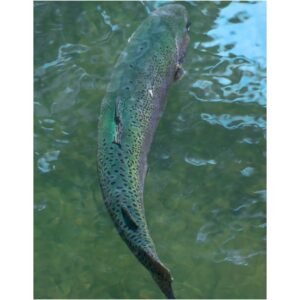
Why the Change?
PFBC biologists spent the last decade studying wild brook trout populations through electrofishing surveys. Their findings showed that raising the size limit to 9 inches would protect more than 99% of wild brook trout from harvest, giving these fish more time to mature and reproduce.
Brook trout grow slowly and require cold, clean, shaded waters — conditions that are increasingly threatened by warming streams, development, and habitat fragmentation. Allowing more fish to reach maturity, increases egg production and overall population stability.
PFBC is also updating language in multiple regulation sections to standardize fish‑measuring rules and ensure consistency across trout regulations.
Angler Support:
PFBC’s 2023 Trout Angler Survey revealed strong public backing for the change:
85% of trout anglers supported raising the minimum size to 9 inches to protect wild brook trout.
Most anglers reported that harvesting trout is not a primary reason they fish, suggesting the new limit will have minimal negative impact on recreational enjoyment.
Stocked vs. Wild Trout:
The new regulation does not affect stocked trout availability. Hatchery trout are typically released at 11 inches or larger, meaning stocked fish will still be harvestable under the new rule.
The change primarily benefits wild populations, which often remain under 9 inches for much of their lifespan.
Regulatory Details:
New minimum size limit: 9 inches
Previous limit: 7 inches (unchanged since 1983)
Effective date: January 1, 2027
Applies to: All trout species in Commonwealth inland waters
Authority: Amendments to 58 PA Code §65.24 and §61.1 under the Fish & Boat Code
Angler Support:
PFBC’s 2023 Trout Angler Survey revealed strong public backing for the change:
85% of trout anglers supported raising the minimum size to 9 inches to protect wild brook trout.
Most anglers reported that harvesting trout is not a primary reason they fish, suggesting the new limit will have minimal negative impact on recreational enjoyment.
Stocked vs. Wild Trout:
The new regulation does not affect stocked trout availability. Hatchery trout are typically released at 11 inches or larger, meaning stocked fish will still be harvestable under the new rule.
The change primarily benefits wild populations, which often remain under 9 inches for much of their lifespan.
What This Means for Conservation:
Increasing the size limit is a targeted strategy to protect Pennsylvania’s only native trout species. Brook trout are considered a “sentinel species” — their presence indicates healthy, cold, unpolluted waters. Protecting them helps preserve entire stream ecosystems.
PFBC officials and conservation groups note that this change is not due to a population crash, but rather a proactive measure to strengthen long‑term resilience.
Why this matters:
The new trout size limit represents a significant shift in Pennsylvania’s fisheries management — one backed by science, supported by anglers, and focused on protecting a species that defines the state’s cold‑water heritage. As the regulation takes effect in 2027, PFBC hopes to see stronger wild trout populations and healthier streams across the Commonwealth.