Black walnuts in Pennsylvania:
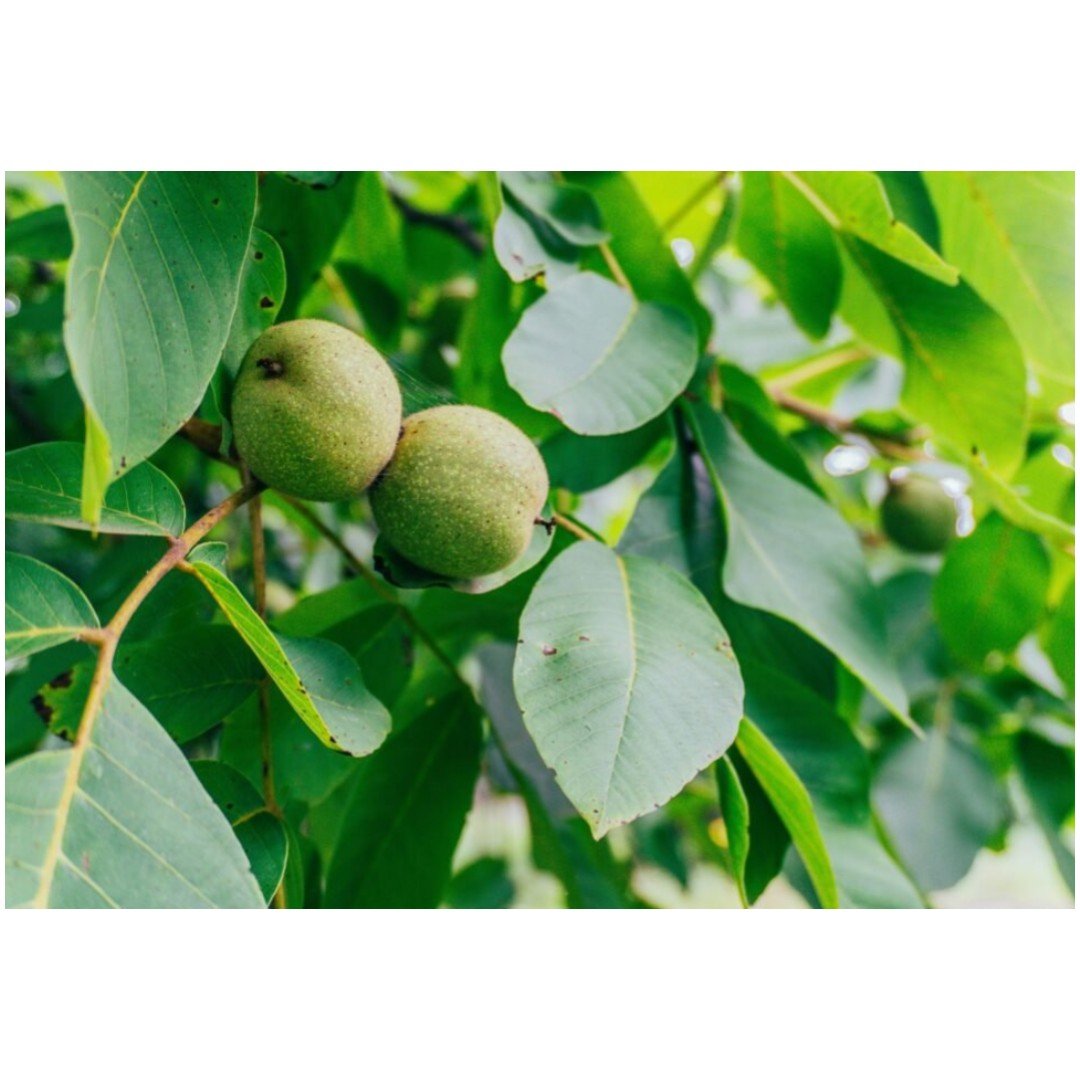
The season is from late September through October. Their green, tennis‑ball‑like husks fall to the ground and can be cracked underfoot to reveal the hard, deeply ridged shell inside. The husks contain a dark liquid that will stain hands and clothing, so they’re best handled with gloves.
Inside the shell is a nutmeat with a bold, fruity‑earthy flavor — stronger than the English walnuts sold in stores. Black walnuts add depth to trail mix, cereal, salads, and soups.
These trees grow wild throughout the Midwest and the eastern United States, including right here in Pennsylvania.
Do You Know Why They’re Called Black Walnuts:
Even though the nuts fall from the tree wrapped in bright green husks, the name Black Walnut comes from what’s underneath. The inner shell is extremely dark — deep brown to almost black — and the tree’s bark is darker than other walnut species. As the green husk breaks down, it turns black and sticky, staining anything it touches. All of that dark color is what gives the Black Walnut its name, not the green outer husk you see on the ground.
Foraging Safety Note:
Black walnuts are safe to collect, but the husks can stain skin, clothing, and anything they touch, so gloves are strongly recommended. Always gather nuts from areas you trust — away from roadsides, industrial sites, or places that may have been sprayed with chemicals. If you’re new to foraging, make sure you’ve correctly identified the tree before collecting. When in doubt, consult a reliable field guide or local extension office.
Additional Notes on Handling Black Walnuts Black walnuts can be messy to work with, especially once the husks begin to darken and soften. Many people in Pennsylvania spread the nuts on cardboard or old trays to dry before cracking them, which helps reduce staining and makes the shells easier to manage. Taking a few simple precautions keeps the process cleaner and preserves more of the nutmeat.
Black Walnuts in Baking, Cooking, and Everyday Use
Black walnuts have a bold, woodsy flavor that stands out in baked goods and homemade treats. Many Pennsylvania families use them in cookies, cakes, quick breads, and holiday desserts because even a small amount adds a deep, earthy richness that English walnuts can’t match. The nutmeats are dense and aromatic, and their strong flavor holds up well in recipes with chocolate, molasses, maple, or spices.
Fresh black walnuts can also be eaten as‑is once cracked. The pieces are irregular and often small, but they’re excellent sprinkled over yogurt, oatmeal, or granola. Their natural oil content makes them especially good for toasting. To toast black walnuts, spread the nut pieces on a baking sheet and warm them in a 300°F oven for 5–7 minutes, just until fragrant. A light sprinkle of salt afterward brings out even more flavor.
Black walnuts also work well in savory dishes. They can be added to salads, roasted vegetables, or homemade pesto for a deeper, nuttier profile. Because the flavor is strong, most recipes only need a small handful. Whether used fresh, toasted, or mixed into granola, black walnuts remain a versatile seasonal ingredient across Pennsylvania kitchens.
Quick Facts – Black Walnuts:
- Season: Late September through October
- Husk Color: Bright green when fresh; turns black as it breaks down
- Shell: Extremely hard, deeply ridged, dark brown to black
- Staining: Husks contain a dark liquid that stains hands, clothes, and concrete
- Flavor: Bold, fruity‑earthy, stronger than English walnuts
- Uses: Trail mix, cereal, salads, soups, baking
- Where They Grow: Wild throughout the Midwest and eastern United States, including Pennsylvania
- Handling Tip: Wear gloves to avoid staining
Check out for other Plants, Vegetation and Foraging Posts: Dandelion: Food or Weed
Home: PA Researchers