Pennsylvania is home to two large black corvids: the American Crow and the Common Raven. They’re intelligent, vocal, and often mistaken for one another — especially in Western PA where their ranges overlap. But once you know what to look for, the differences become clear:
- American Crow (Corvus brachyrhynchos)
- Common Raven (Corvus corax)
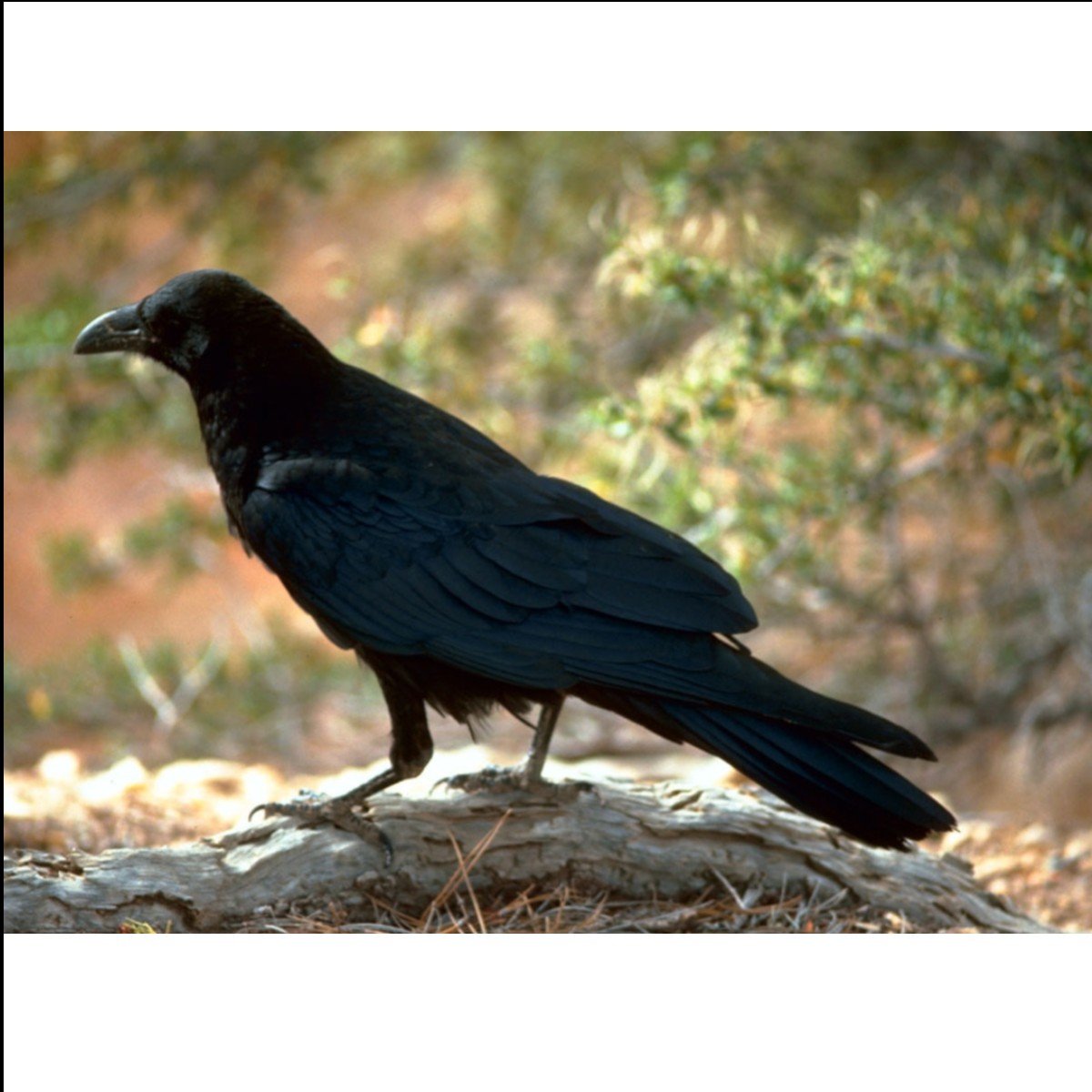
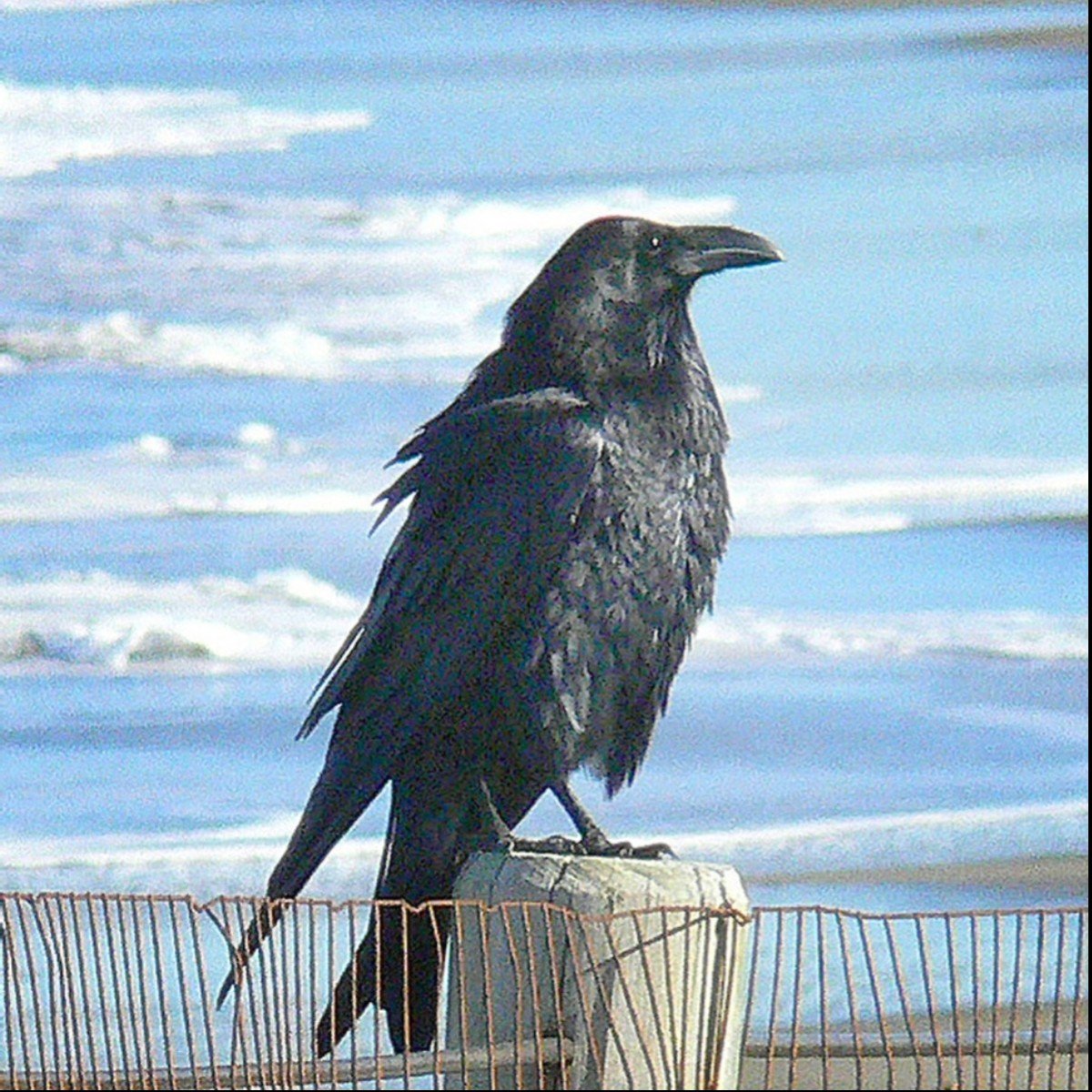
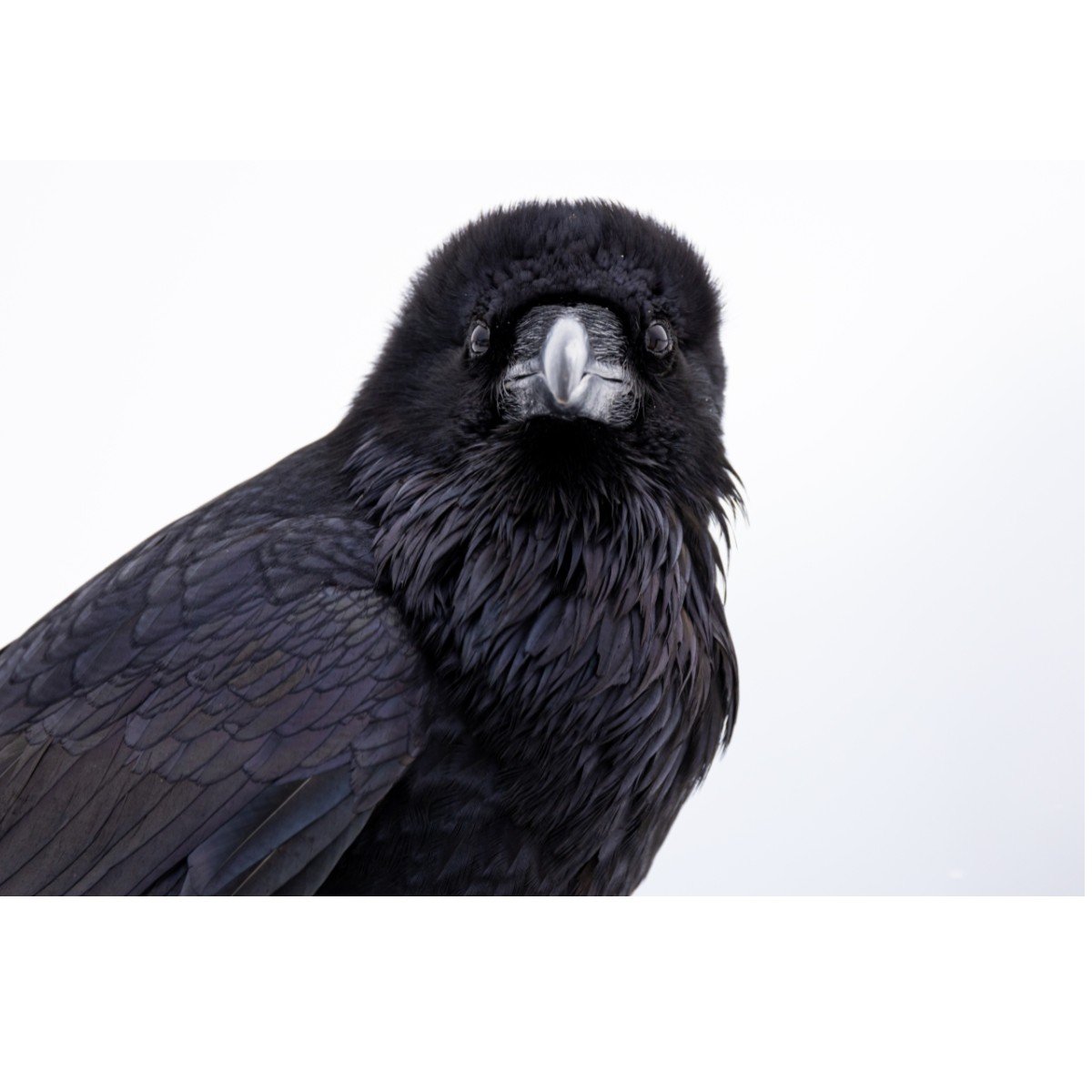
Three images of Common Ravens.
1. Size and Shape:
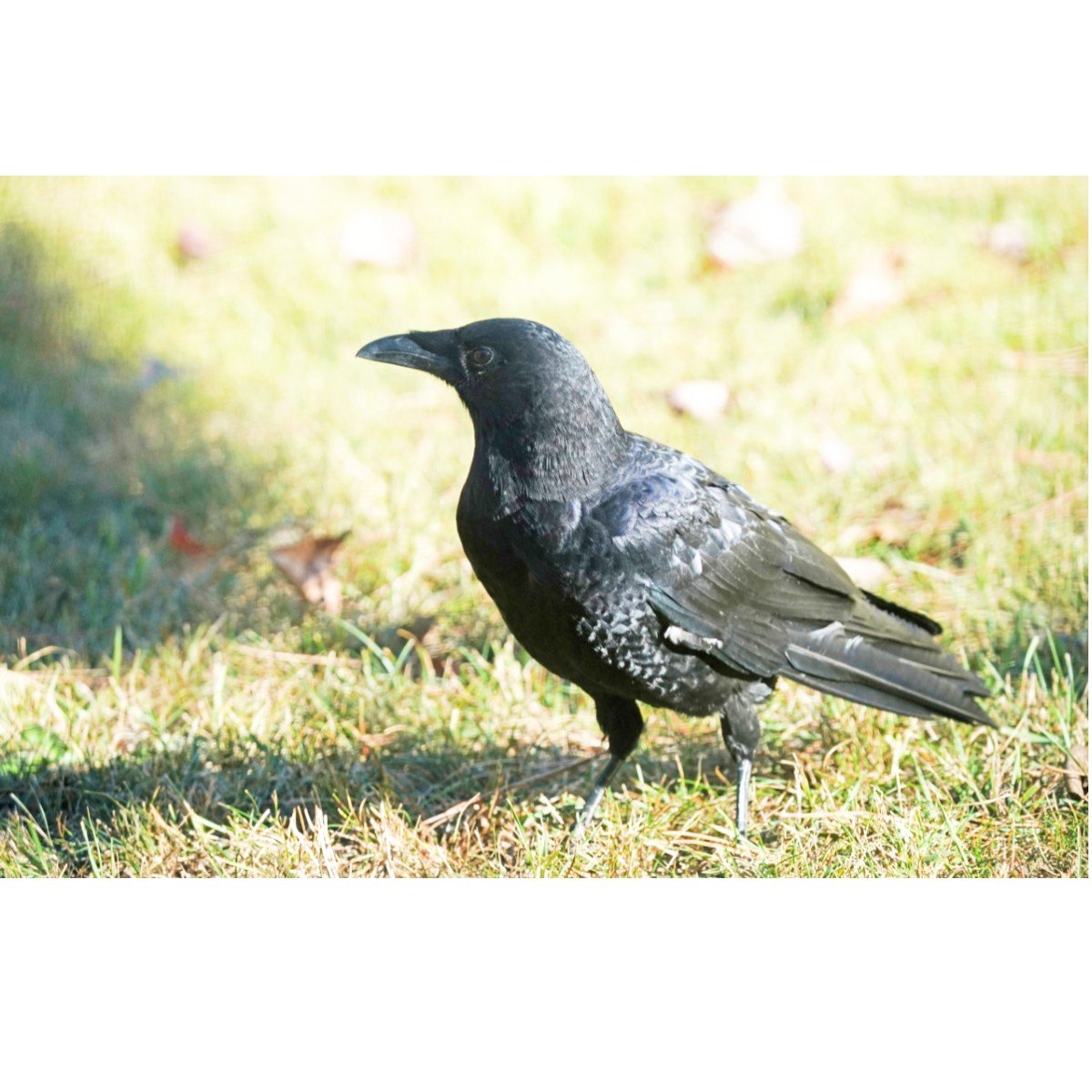
Ravens are noticeably larger, often approaching the size of a Red‑tailed Hawk. Their bodies are bulkier, their legs longer, and their posture heavier. Crows are more compact and sleeker.
2. Bill and Face:
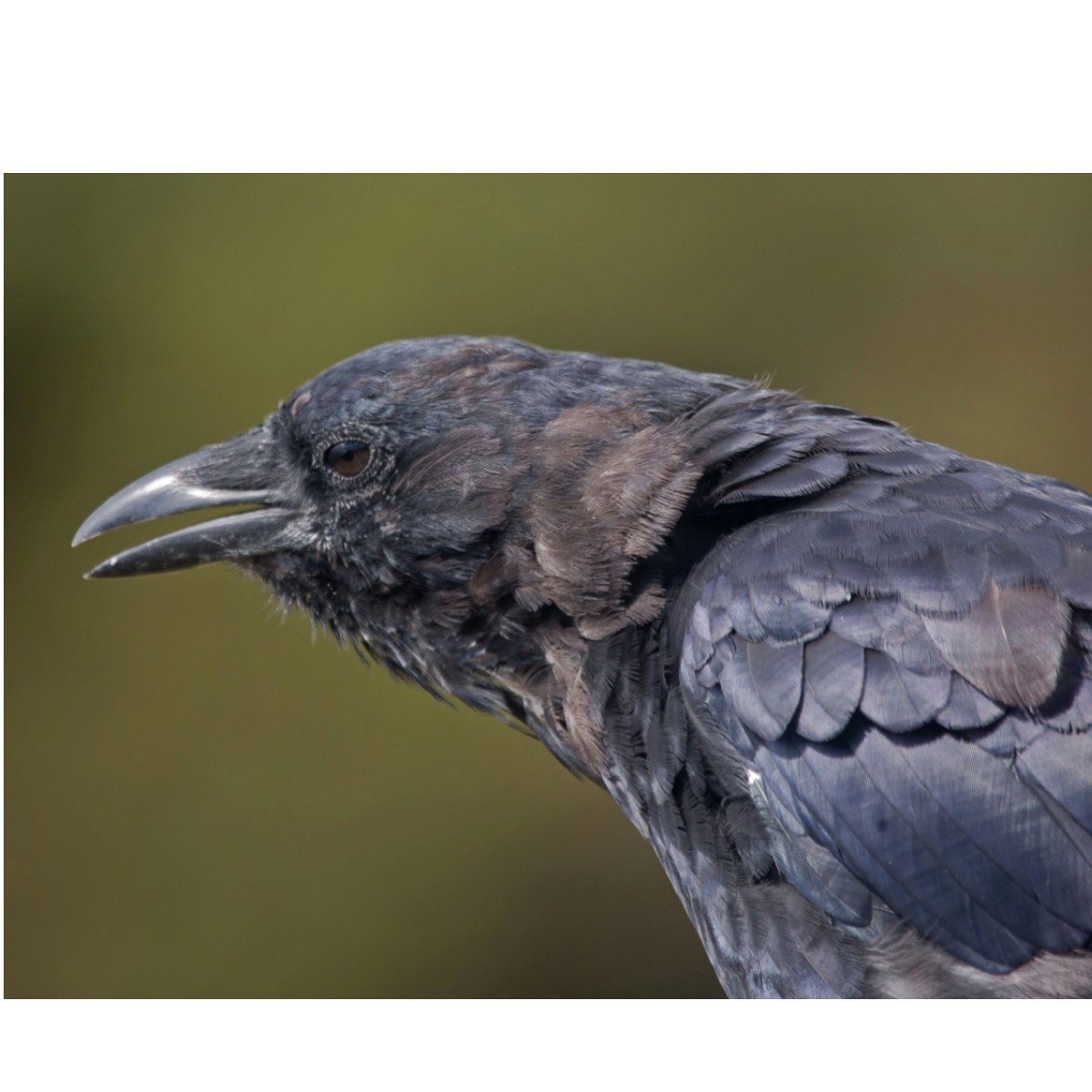
The bill is one of the most reliable features. Ravens have a thick, curved bill that looks oversized for their face. Crows have a slimmer, straighter bill that fits their proportions.
Ravens also have shaggy throat feathers called hackles, which give them a rougher look. Crows have smooth throats.
3. Tail Shape:
Tail shape is a classic ID point — but only when the bird is in flight.
- Ravens show a wedge-shaped tail.
- Crows show a rounded fan-shaped tail.
When perched or walking, both species fold their tails straight, so tail shape is not useful on the ground.
4. Flight Style:
Ravens soar and glide frequently, using thermals like hawks. Crows flap steadily and rarely glide for long.
5. Behavior:
Crows are social and often gather in groups. Ravens are usually solitary or in pairs. If you see several birds together, they’re almost always crows.
6. Habitat in Pennsylvania:
Ravens prefer wilder or elevated areas:
- Laurel Highlands
- Chestnut Ridge
- Forbes State Forest
- Allegheny National Forest
- Old coal tipples and industrial towers
Crows thrive in human environments:
- Suburbs
- Neighborhoods, parks, yards
- Farm fields and parking lots
7. Vocalizations:
- Crows give the familiar sharp “caw.”
- Ravens produce a deep, resonant “croak” or “gronk.”
8. Why Misidentification Happens:
Stock photos online often mislabel crows and ravens, and many images show juveniles or unrelated species like grackles. Tail shape is frequently misunderstood because perched birds look similar.
Using reliable sources like FWS.gov ensures accurate identification and safe image licensing.
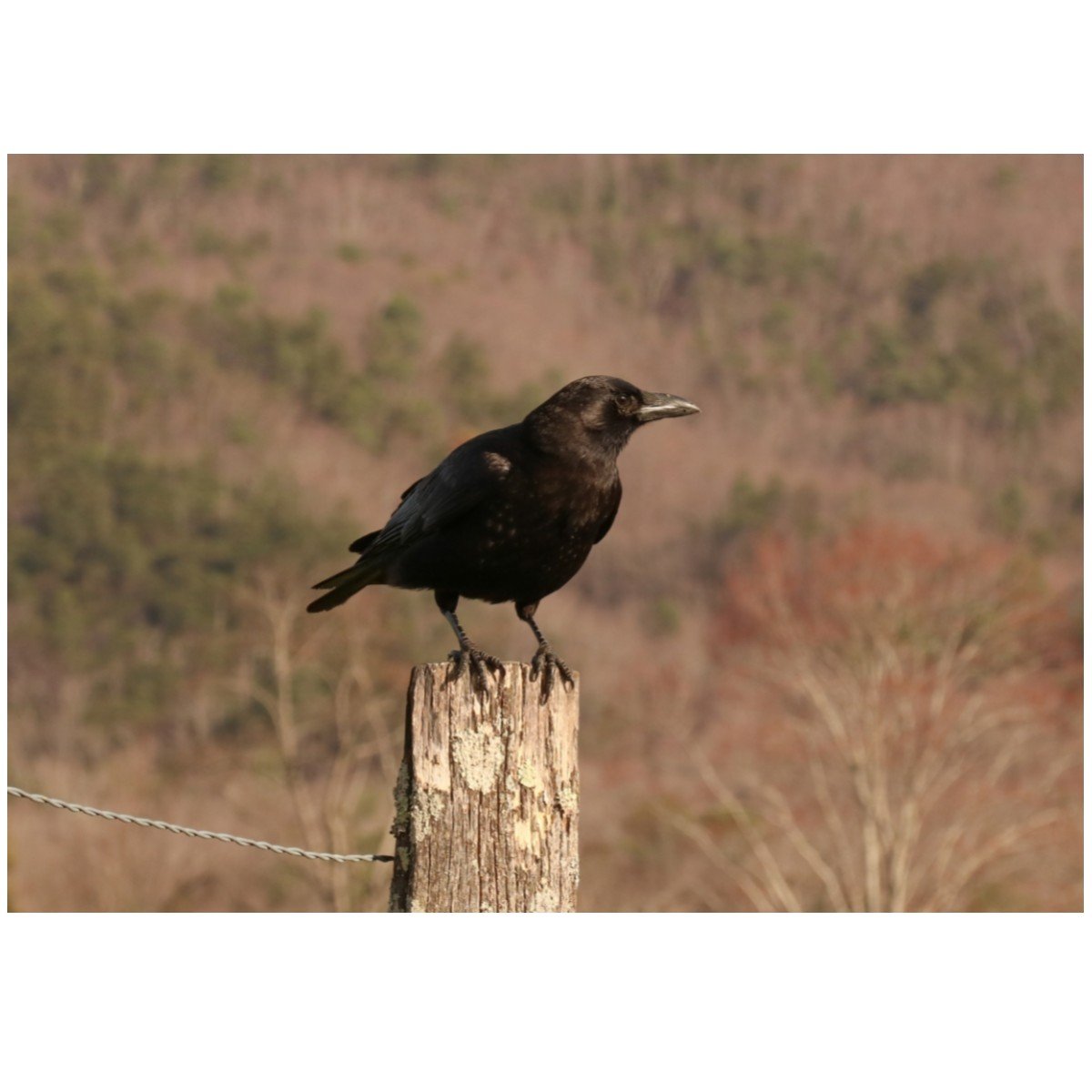
Three images of American Crows.
🌲 Field Checklist for PA Readers
Crow Checklist:
- Slim, straight bill
- Smooth throat
- Compact body
- Shorter legs
- Rounded tail in flight
- Often in groups
- Common in towns, yards, parks, farmland
- Gives a sharp “caw”
Raven Checklist:
- Thick, curved bill
- Shaggy throat feathers
- Large, bulky body
- Longer legs
- Wedge-shaped tail in flight
- Usually solitary
- Found near ridges, forests, cliffs, industrial towers
- Gives a deep “croak/gronk”
- Often soars like a hawk