Uses and What to do With Dandelions:
The Helpful Little Weeds We Often Overlook:
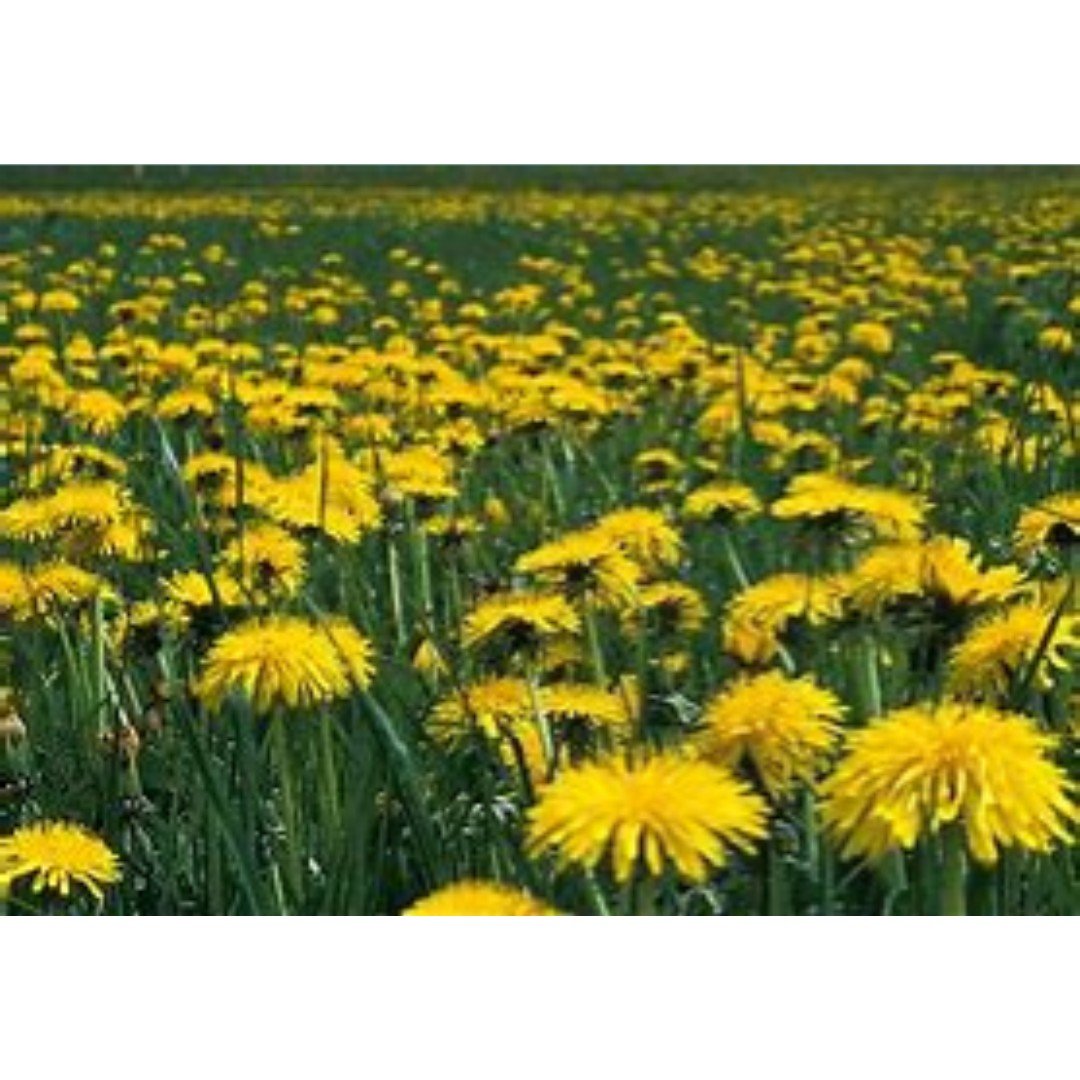
Dandelions might seem like ordinary lawn weeds, but these bright yellow flowers are far more useful than most people realize. They’re edible, nutritious, and play a surprisingly important role in the ecosystem. In your yard, they help feed ladybugs—which then keep aphids under control—and their deep taproots naturally loosen and enrich the soil. Before pulling them out, it’s worth taking a closer look at all the good they offer.
🌿 Traditional Uses:
People have turned to these plants as herbal remedies for thousands of years. While it’s always wise to check with a healthcare professional before trying any natural treatment, dandelions are generally considered safe to consume.
- The leaves can act as a gentle diuretic and may support digestion.
- The roots have long been used to support the liver, kidneys, and gallbladder.
- Early research suggests that compounds in both the leaves and roots may help lower fasting blood sugar levels.
🥗 In the Kitchen:
Every part of the dandelion is edible, and each part brings something different to the table.
- Leaves: These are the most commonly eaten part and are packed with vitamins A, B, C, E, and K, plus minerals like iron, potassium, magnesium, and calcium. Young spring leaves are mild enough for salads, while older leaves are best cooked to soften their stronger flavor.
- Roots: Dandelion roots are an excellent source of fiber. You can eat them fresh, simmer them into a tea, or dry them for later use. If you plan to dry them, chop the fresh roots into small pieces first so they dry evenly and store well.
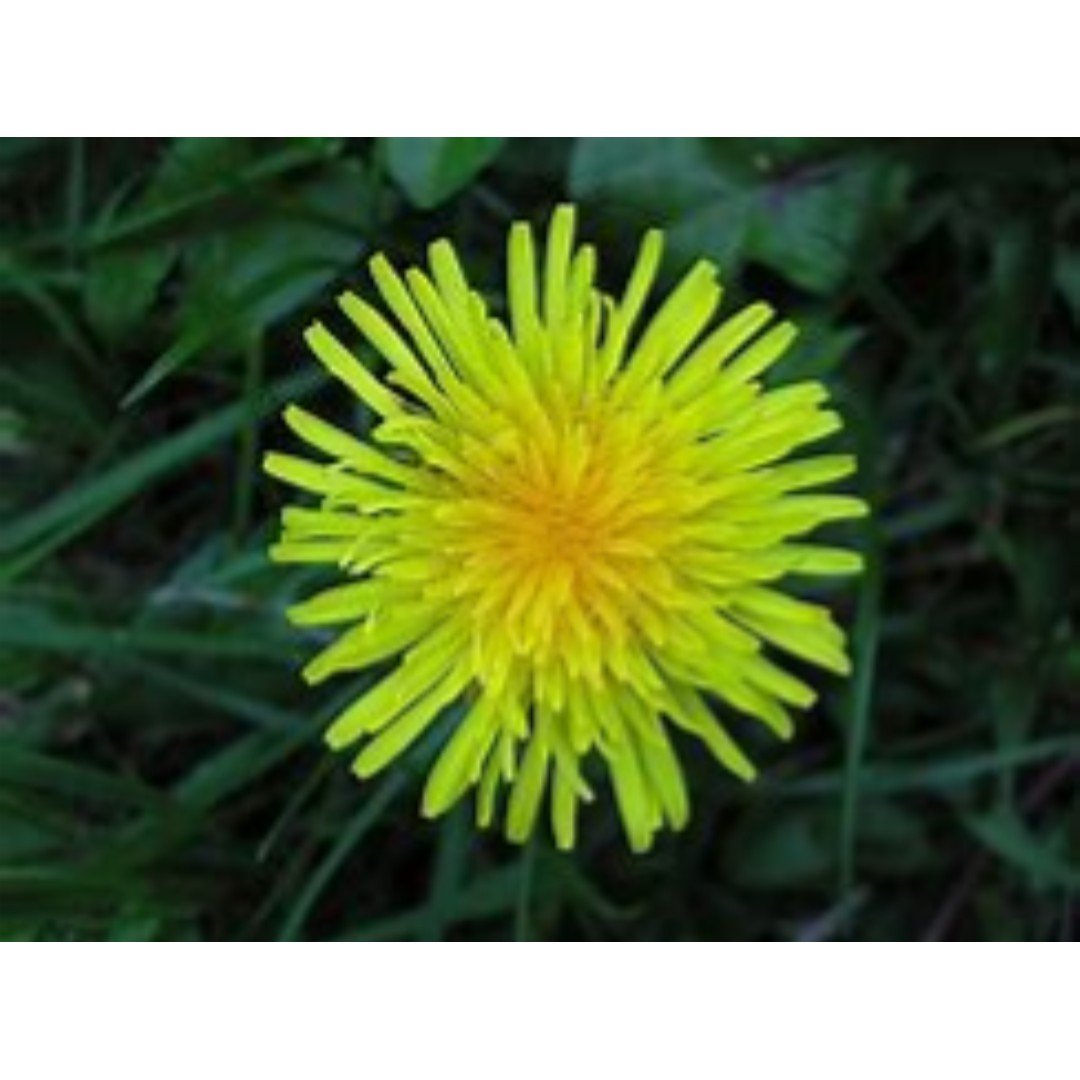
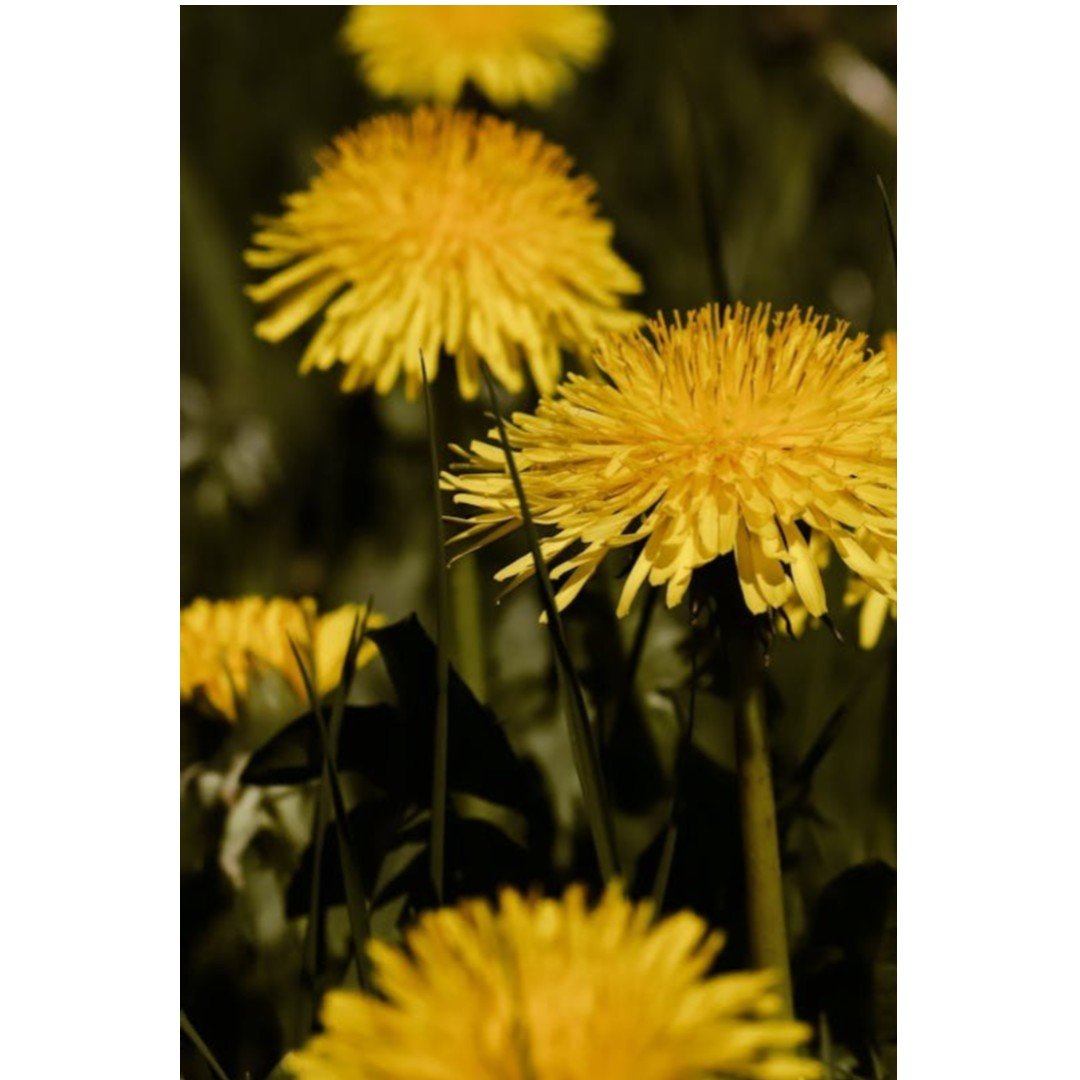
- Flowers: The bright yellow blossoms are surprisingly versatile. They can be used to make wine, infused into vinegar, oils, or honey, or brewed into a light floral tea. Pull off the petals—the green parts are bitter—and fold the petals into cookies, cakes, or frosting for a subtle, honey‑like flavor.
Cooking With Dandelions: Easy Ways to Use Leaves, Flowers, and Roots:
Dandelions are surprisingly versatile in the kitchen, and many people are rediscovering them as a free, nutritious ingredient. The young spring leaves are the easiest part to use. They have a mild bitterness, similar to arugula, and can be added to salads, sautéed with garlic, or stirred into soups. If the flavor is too sharp, soaking the leaves in cold water for ten minutes helps mellow the taste.
The bright yellow flowers offer a gentle sweetness and a light floral flavor. They can be mixed into muffin batter, sprinkled over granola, or used to make a simple syrup for teas and desserts. Some home cooks batter and fry the blossoms for a crunchy snack, similar to fried squash blossoms. When using the flowers, pull off the yellow petals and avoid the green base, which can be bitter.
Dandelion roots have a deeper, earthy flavor and are often roasted. Once cleaned and chopped, the roots can be toasted in a 300°F oven until they darken and smell nutty. Roasted roots can be ground into a caffeine‑free coffee substitute or added to warm beverages for extra depth. They also work well in granola mixes or baked goods where a darker, richer flavor is welcome. With a little creativity, dandelions can become a regular part of everyday cooking rather than just a weed in the yard.
🌱 Harvesting Tips:
Dandelions are incredibly useful plants, but harvesting safely is important.
- Avoid treated lawns. Never pick dandelions from areas sprayed with pesticides or herbicides.
- Grow your own or let them grow naturally. You can cultivate naturally or simply avoid using chemicals on your lawn and enjoy the ones that pop up.
- Pick leaves early. The best time to harvest the greens is before the flowers appear, when the leaves are mildest and most tender. Older leaves can still be used, but they’re better cooked than eaten raw.