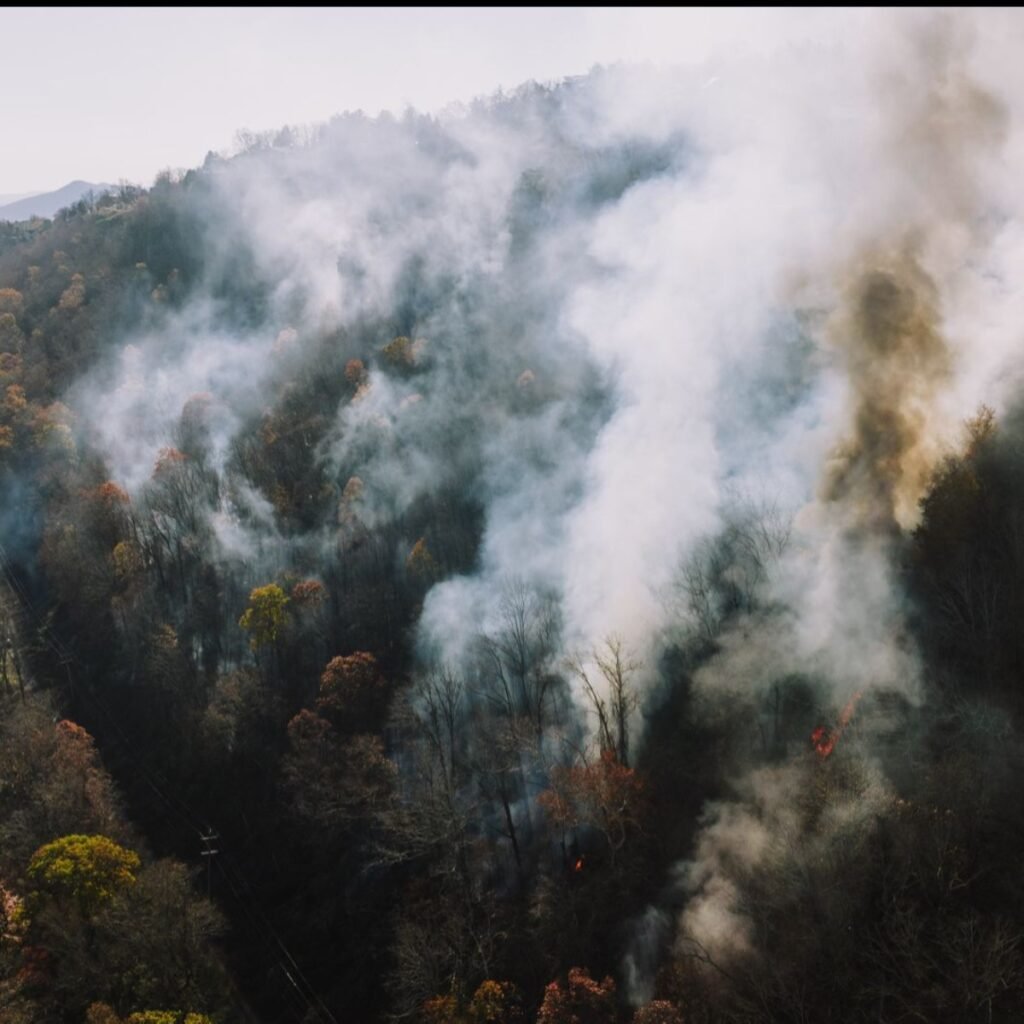
Wildfire smoke from large fires burning in Ontario and northern Minnesota is expected to drift into Pennsylvania beginning Wednesday afternoon, July 15, and continuing into Thursday, July 16. Weather models show a thick plume of smoke being carried southeast by winds surrounding a passing cold front, bringing hazy skies and potential air‑quality concerns across much of the state.
Where the Smoke Is Coming From:
Ontario and northern Minnesota have been dealing with widespread wildfires fueled by extreme heat and very dry conditions. These fires have produced a large smoke plume that has already affected parts of the Midwest and Great Lakes. As the cold front moves through, winds will steer that smoke directly toward Pennsylvania.
Timeline for Pennsylvania:
Wednesday Afternoon (July 15): Northern and northeastern Pennsylvania will notice hazy or milky skies first.
Wednesday Night: Smoke spreads into central and western Pennsylvania, including counties across the Laurel Highlands and western region.
Thursday Morning (July 16): Southeastern Pennsylvania, including the Philadelphia region, may see reduced visibility and worsening air quality as smoke mixes down closer to the surface.
What Residents Will See:
At first, most of the smoke will remain high in the atmosphere, creating:
milky or washed-out skies
deeper orange or red sunrises and sunsets
a slight haze over distant hills and ridges
Overnight, smoke is expected to settle closer to ground level. This may lead to:
reduced visibility
noticeable haze at street level
air‑quality readings dropping into “Unhealthy for Sensitive Groups” in some areas
Who Should Be Cautious:
People with:
asthma
COPD
heart conditions
chronic respiratory issues
…may want to limit extended outdoor activity until air‑quality readings improve.
Children, older adults, and anyone sensitive to smoke may also feel symptoms such as coughing, throat irritation, or shortness of breath.
Heat + Smoke: A Tough Combination:
Pennsylvania is already experiencing a significant heat wave. When high heat and wildfire smoke overlap, the stress on the body increases. Even healthy individuals may feel more fatigued or dehydrated.
Staying Safe During Smoke Events:
1. Check Local Air Quality:
Use AirNow.gov or the AirNow app to monitor real‑time AQI for your county. AQI 101–150 = Unhealthy for Sensitive Groups AQI 151+ = Unhealthy for everyone
2. Limit Outdoor Activity:
If the AQI rises overnight, consider:
reducing strenuous outdoor work
keeping children indoors
postponing outdoor exercise
3. Keep Indoor Air Clean:
Close windows and doors
Run air conditioning on recirculate
Use a HEPA air purifier if available
4. Stay Hydrated:
Heat and smoke together increase dehydration risk. Drink water regularly.
5. Watch for Symptoms:
If you experience:
coughing
chest tightness
difficulty breathing
unusual fatigue
…move indoors and monitor AQI levels.
6. Protect Pets:
Animals can be affected by smoke too. If visibility drops or the air smells smoky, limit outdoor time for pets.
Closing Note:
Wildfire smoke events have become more common in recent years, and Pennsylvania is not immune to long‑range smoke transport from Canada and the Midwest. While this week’s event is expected to be temporary, staying aware of air‑quality changes can help protect your health — especially during extreme heat.