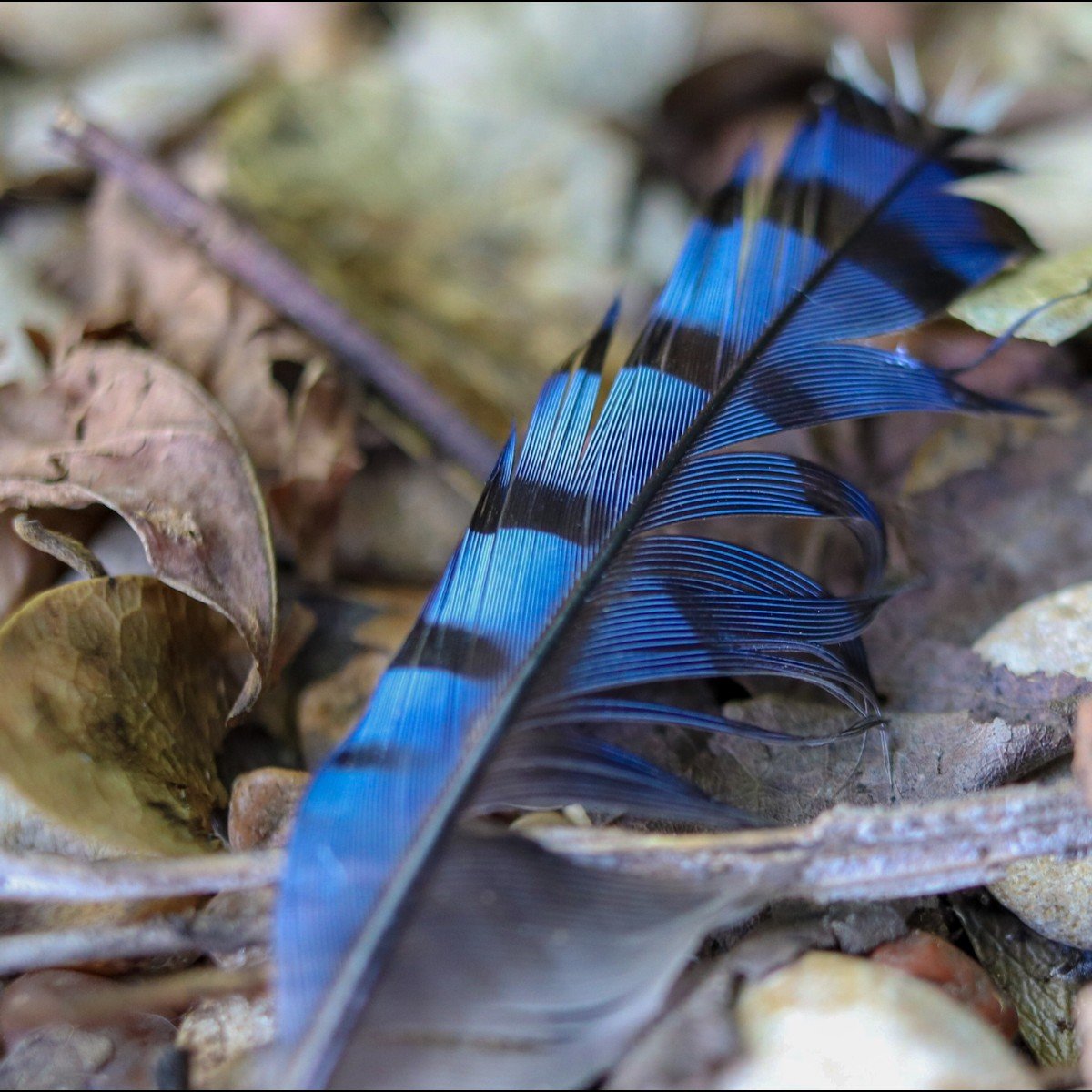
When I was a kid, picking up bird feathers was just part of exploring the outdoors. You’d find a blue jay feather in the grass, tuck it behind your ear, or save it in a shoebox like treasure. Nobody thought twice about it. Today, things are different — not because feathers suddenly became dangerous, but because we now understand more about wildlife protection, disease transmission, and federal laws that weren’t widely talked about years ago.
This guide breaks down which feathers are legal to keep in Pennsylvania, how to identify protected vs. non‑protected species, and whether feathers in your yard pose any risk to pets.
For decades, kids collected feathers.
Concerns back then:
None about disease (avian diseases weren’t on the public radar)
Only legal restrictions for protected birds like eagles, hawks, owls, etc.
So grabbing a random blue jay or sparrow feather was just normal childhood fun.
So why the change in messaging?
It’s a combination of:
Disease awareness — especially avian flu outbreaks.
Legal clarity — reminding people that most feathers are protected.
General wildlife safety messaging — “don’t touch wildlife items” is now standard.
The advice has changed because of disease concerns:
In the last 10–15 years, wildlife agencies started discouraging casual feather collecting because of avian pathogens that can survive on feathers:
Avian influenza (bird flu) — certain strains can persist on feathers for days.
Salmonella — common in backyard birds; can be transmitted through droppings on feathers.
West Nile virus — not transmitted by feathers directly, but dead/sick birds shed virus.
Mites, lice, parasites — feathers can carry external parasites.
The risk to humans is still low, but agencies shifted to a “better safe than sorry” message, especially for kids.
It’s similar to how they now discourage touching dead birds — not because it’s guaranteed dangerous, but because it’s possible.
Legal restrictions:
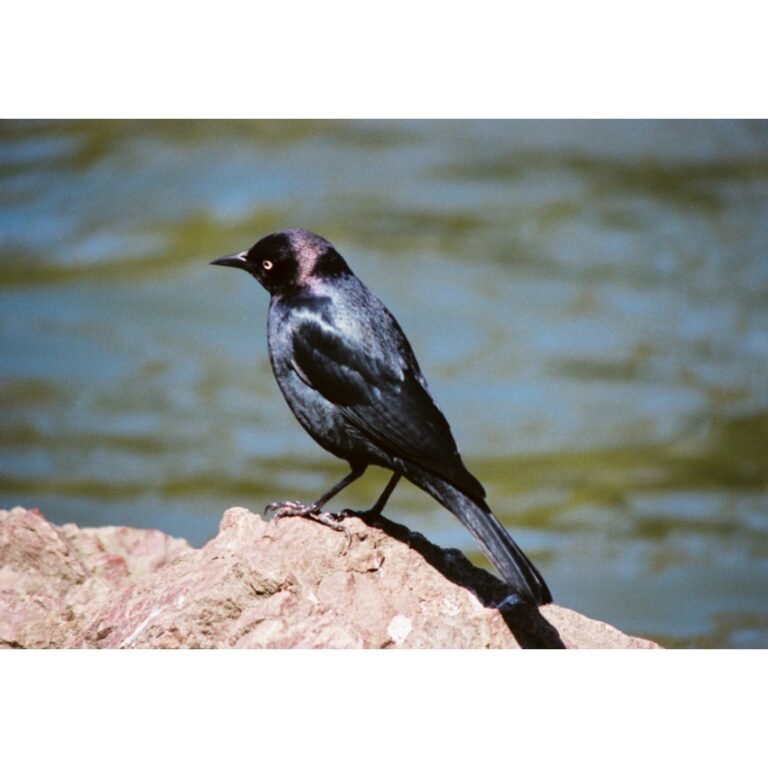
Under the Migratory Bird Treaty Act, it’s illegal to possess feathers, eggs, nests, or parts of most native birds — not just eagles. That includes: Blue jays, Cardinals, Robins and Woodpeckers plus Hawks, Owls, and Eagles (also covered by the Bald and Golden Eagle Protection Act).
This law has existed for decades, but enforcement and public awareness increased over time. Agencies now emphasize it more because people post feather collections online, and that can technically be a violation. So even if the feather is harmless, the law still applies.
In Pennsylvania, almost all wild bird feathers are illegal to keep because they fall under the Migratory Bird Treaty Act (MBTA) and PA Title 34 §2164, which prohibit possession of protected birds or any part thereof — including feathers. Only a few categories of feathers are legal: non‑native species, legally hunted game birds, and captive‑raised poultry/exotics.
Which Bird Feathers Are Legal to Keep in Pennsylvania?
1. The Laws That Control Feather Possession: Two major laws govern feather possession:
–Federal: Migratory Bird Treaty Act (MBTA):
The MBTA makes it illegal to possess any part of over 1,000 native bird species — including feathers, eggs, nests, and bones — without a permit. This applies even if the feather was:
Found on the ground
From a window‑killed bird
Found in your yard
Naturally molted
There is no exemption for “found feathers.”
–Pennsylvania: Title 34 §2164:
PA law mirrors federal law: “It is unlawful… to possess protected birds, or any part thereof.” This includes songbirds, woodpeckers, hawks, owls, waterfowl, and virtually all native species.
2. Feathers You Can Legally Keep: Only a few categories are allowed:
–Non‑Native Species (Not Protected by MBTA):
These three are the big exceptions: These species are non‑native and not protected under the MBTA, so their feathers are legal to possess.
** House Sparrow ** European Starling ** Rock Pigeon **
–Legally Hunted Game Birds:
If you legally hunt the bird, you may keep its feathers: You must have the proper hunting license when the bird was taken.
** Ducks ** Geese ** Pheasants ** Quail ** Wild Turkey **
–Captive‑Raised Poultry & Exotics:
These are fully legal to own, sell, or use in crafts: Captive‑raised game birds are considered agricultural products.
** Chickens ** Domestic Ducks and Geese ** Guinea Fowl ** Peacocks ** Ostrich ** Emu **
3. Feathers You Cannot Keep:
These are always illegal unless you have a federal permit: All raptor feathers are protected. Eagle feathers have additional protection under the Bald and Golden Eagle Protection Act, with severe penalties.
–Raptors (Birds of Prey):
** Hawks ** Owls ** Falcons ** Eagles **
–Songbirds & Backyard Birds:
If it’s a wild bird you commonly see in Pennsylvania, its feathers are almost certainly illegal to possess. All native species are protected, including:
** Blue Jay ** Cardinal ** Robin ** Woodpecker ** Crow ** Raven ** Chickadee ** Wren ** Warblers ** Finches **
–Waterfowl (Unless Legally Hunted):
** Mallards ** Canada Geese ** Swans ** Mergansers ** Herons **
Protected under MBTA unless taken legally.
–Endangered or Threatened Species:
Pennsylvania Title 34 §2167 adds extra penalties for endangered/threatened species.
SPECIES ID CHART — COMMON BACKYARD FEATHERS (PENNSYLVANIA):
(Safe — no protected feathers encouraged for collection)
Note: Most of these species are protected under the Migratory Bird Treaty Act. This chart is for identification only, not possession.
Non‑Native Species (Legal to Keep):
These are the only wild feathers you can legally keep in Pennsylvania.
House Sparrow
Color: Brown with black streaks; females duller
Feather traits: Short, narrow, lightly barred
Where found: Near homes, barns, shopping centers
Legal status: ✔ Legal to keep
European Starling
Color: Iridescent black with green/purple sheen
Feather traits: Glossy, pointed, sometimes white‑tipped in winter
Where found: Yards, parking lots, farms
Legal status: ✔ Legal to keep
Rock Pigeon
Color: Gray, blue, white, or mixed
Feather traits: Large, rounded, often with iridescent neck colors
Where found: Cities, bridges, barns
Legal status: ✔ Legal to keep
Native Backyard Birds (Protected — Illegal to Keep):
Identification only.
Blue Jay
Color: Blue with black barring
Feather traits: Distinctive blue/black/white pattern
Notes: Blue color comes from light scattering, not pigment
Legal status: ❌ Protected
Northern Cardinal
Color: Bright red (male), tan/red (female)
Feather traits: Soft, rounded, red/orange tones
Legal status: ❌ Protected
American Robin
Color: Gray‑brown with orange belly
Feather traits: Gray upper feathers, warm orange lower feathers
Legal status: ❌ Protected
Downy / Hairy Woodpecker
Color: Black and white
Feather traits: Strong black‑white contrast; stiff tail feathers
Legal status: ❌ Protected
Crow / Raven
Color: Matte black (crow), glossy black (raven)
Feather traits: Crow feathers smaller; raven feathers larger and glossier
Legal status: ❌ Protected
Mourning Dove
Color: Soft tan/gray
Feather traits: Delicate, rounded, pastel tones
Legal status: ❌ Protected unless legally hunted
Do Feathers in Your Yard Pose a Risk to Pets?
Risk Level: Low, but not zero.
Feathers can carry:
Avian influenza (bird flu) — virus can persist on feathers for days
Salmonella — common in backyard birds
Mites/lice — external parasites
Bacteria from droppings
These risks are small, but real. Wildlife agencies discourage handling feathers mainly because of these pathogens (especially avian flu outbreaks in recent years).
Pet Safety Tips:
Don’t let dogs chew or play with found feathers.
Dispose of feathers with gloves or a shovel.
Wash hands after handling.
If your pet eats a dead bird or eats one or more feathers, monitor for GI symptoms.
FAQ: Bird Feathers and Nests in Pennsylvania:
Can you legally keep bird feathers you find on the ground? No. In Pennsylvania, most wild bird feathers are protected under the Migratory Bird Treaty Act. Only feathers from non‑native species (house sparrow, European starling, rock pigeon), legally hunted game birds, or captive poultry are legal to keep.
Are blue jay, cardinal, or woodpecker feathers illegal to possess? Yes. All native songbirds and woodpeckers are protected. Their feathers cannot be legally kept, even if found naturally on the ground.
Why do wildlife agencies say not to pick up feathers anymore? Two reasons: 1. Disease concerns such as avian flu, salmonella, and mites. 2. Legal restrictions on possessing feathers from protected species. The risk to humans is low, but the laws are strict.
Do feathers in your yard pose a risk to pets? Low, but not zero. Feathers can carry bacteria or parasites. It’s best to dispose of them and prevent pets from chewing on them.
What should you do if you find an empty bird nest on the ground? You may legally dispose of it. Once a nest has fallen and is clearly abandoned, it is no longer protected. Wear gloves and throw it away or compost it.
Can you keep a fallen nest as a decoration or craft item? No. Even though disposal is allowed, possession of nests from protected species is still prohibited. You can throw it away, but you cannot keep it.
Are active or attached nests protected? Yes. Any nest that is active, recently used, or still attached to a structure (tree, porch, building) is protected and cannot be removed without a permit.
Conclusion:
Bird feathers are beautiful, but in Pennsylvania, most of them are legally off‑limits. Between federal protections, state law, and modern disease awareness, the safest rule is:
If it’s a native bird, leave the feather where you found it.
Only non‑native species, legally hunted game birds, and captive poultry/exotics are safe and legal to keep.
This keeps you compliant with the MBTA, PA Title 34, and helps protect Pennsylvania’s wild.