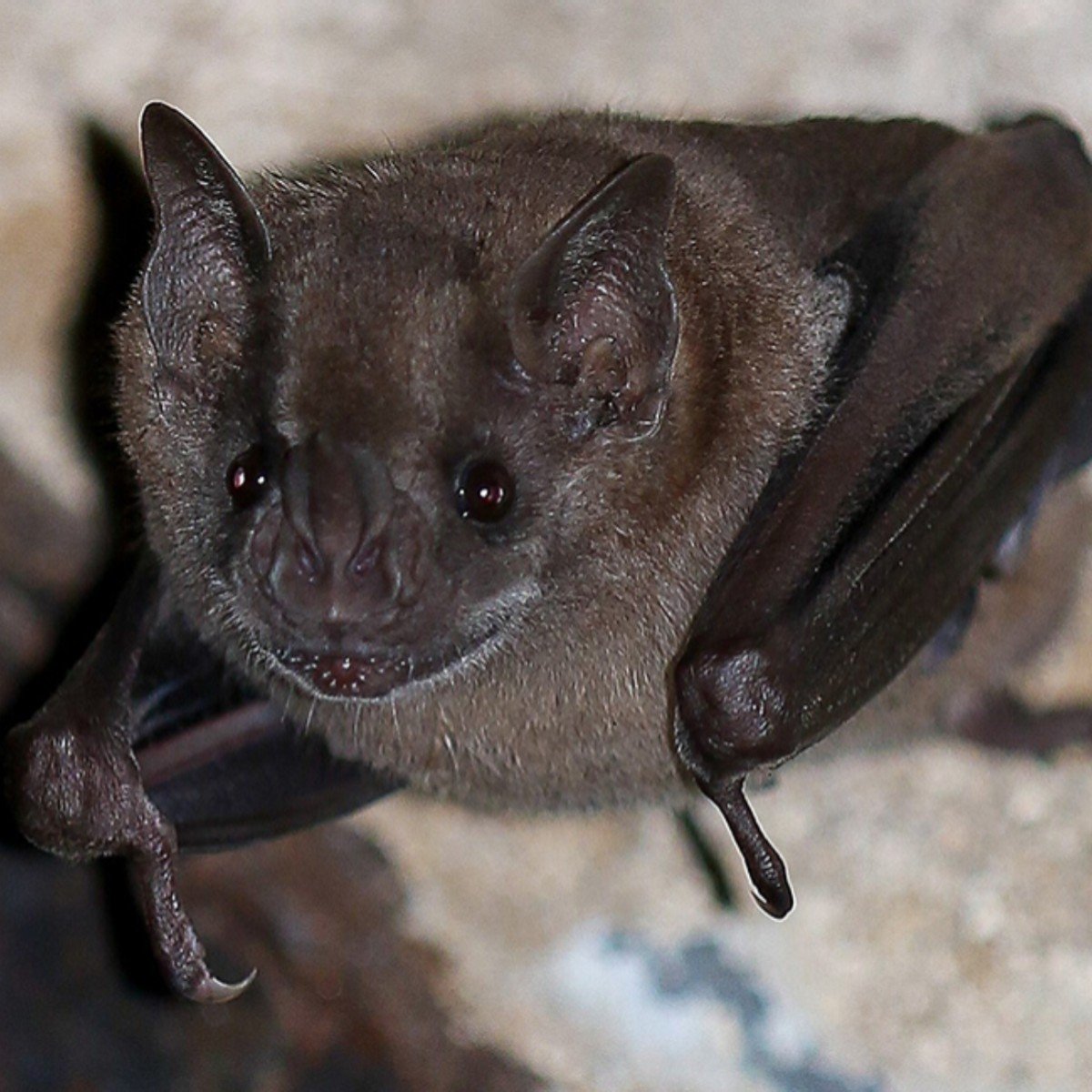
Pennsylvania is home to nine species of bats, including the Little Brown Bat, Big Brown Bat, Northern Long‑Eared Bat, Tri‑Colored Bat, and several migratory tree‑roosting species. For decades, these animals have quietly supported our ecosystems by consuming enormous numbers of insects — including agricultural pests and mosquitoes.
But since 2006, a disease called White‑Nose Syndrome (WNS) has changed everything.
What Is White‑Nose Syndrome?
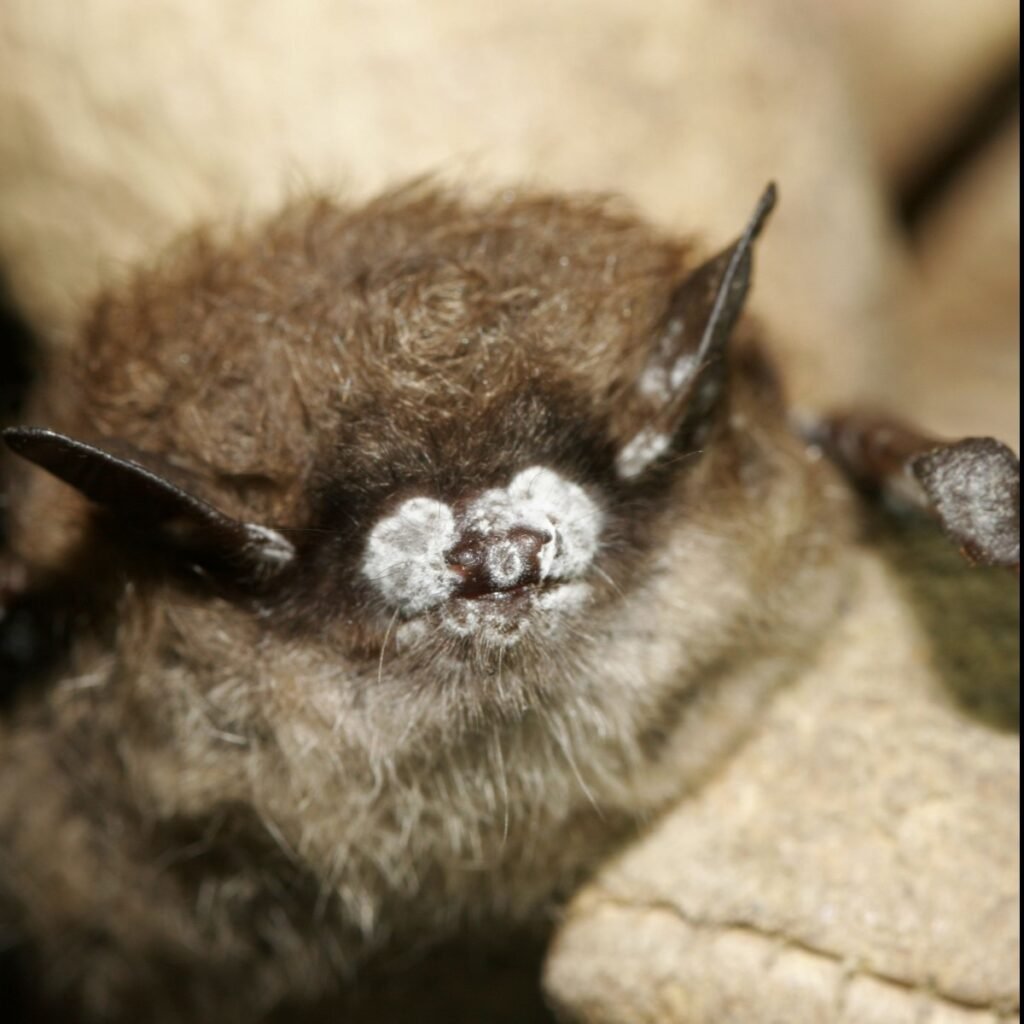
White‑Nose Syndrome is caused by a cold‑loving fungus (Pseudogymnoascus destructans) that grows on bats during winter hibernation. It appears as a white, powdery growth on the nose, wings, and ears — but the real damage happens internally.
The fungus disrupts:
normal hibernation cycles
hydration
fat reserves
immune function
Bats wake up repeatedly during winter, burning through the energy they need to survive until spring. Many die before temperatures warm enough for insects to return.
Pennsylvania has been one of the hardest‑hit states, with some species losing 90–99% of their population in affected caves.
Which Bat Species Are Most Affected?
Little Brown Bat – once common, now severely reduced
Northern Long‑Eared Bat – federally listed as endangered
Tri‑Colored Bat – major declines statewide
Big Brown Bat – more resilient, still common in PA
Tree‑roosting bats (like Red, Hoary, and Silver‑Haired) are not affected because they do not hibernate in caves.
————————————-
Bat Habits in Pennsylvania:
Summer: maternity colonies form in barns, attics, hollow trees, and bat houses
Fall: bats swarm at cave entrances for mating
Winter: hibernation in caves, mines, and tunnels
Diet: moths, beetles, mosquitoes, agricultural pests
Activity: most active at dusk and dawn
How Pennsylvanians Can Help Bat Populations:
Even small actions help support recovery.
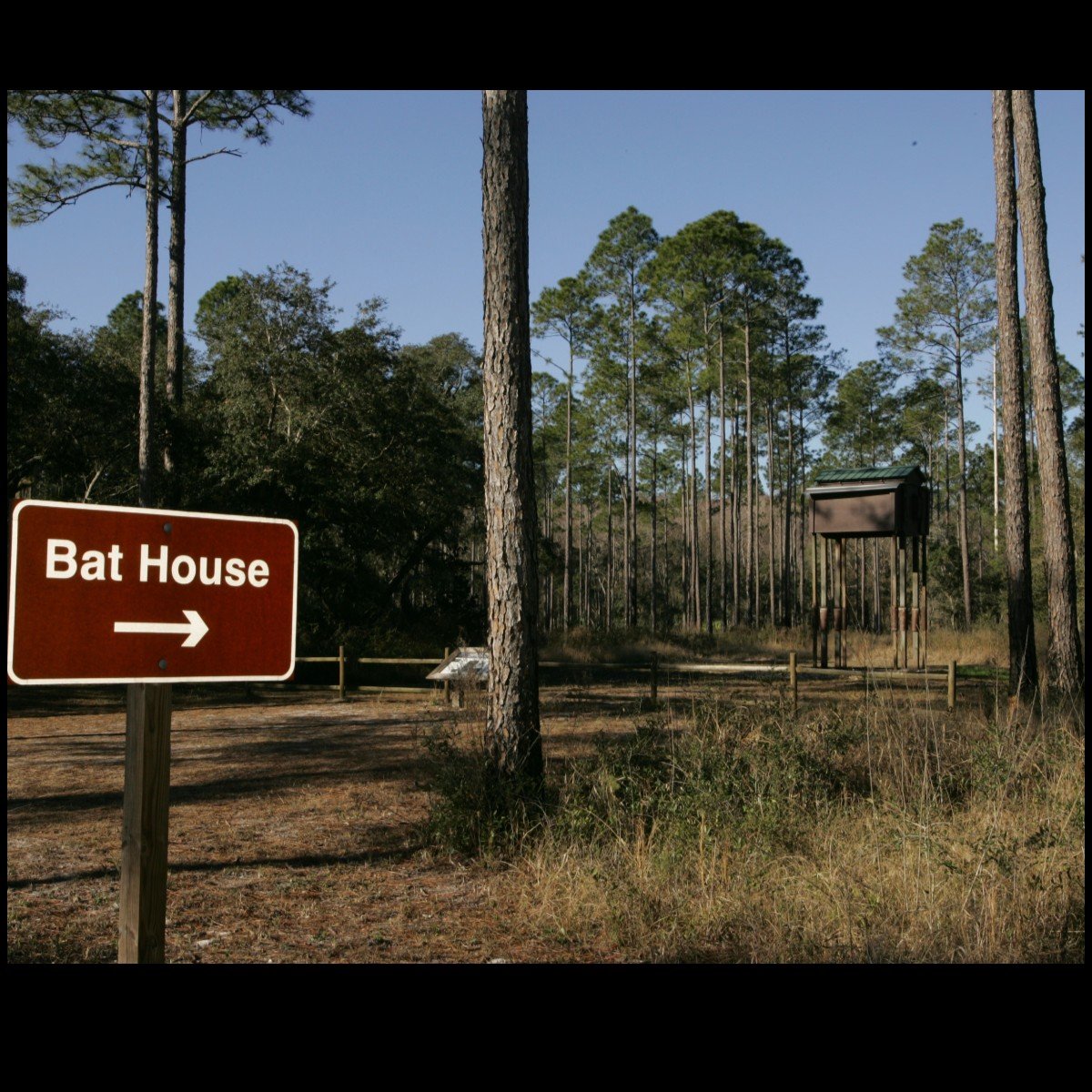
1. Install a Bat House
A properly placed bat house gives bats a safe summer roost and keeps them out of your home.
Best placement:
12–20 feet high
facing south or southeast
full sun for 6–8 hours
mounted on a pole or building (not a tree)
2. Protect Natural Habitat
Keep dead trees standing when safe
Reduce pesticide use
Maintain small water sources (ponds, birdbaths)
3. Report Unusual Bat Activity
If you see bats flying in winter, acting sick, or found dead, report it to:
PA Game Commission
U.S. Fish & Wildlife Service
How to Keep Bats Out of Your House or Attic
Bats don’t want to live with people — they’re looking for warm, safe roosts. You can prevent accidental entry with simple steps:
Seal Entry Points
Check for gaps:
rooflines
soffits
vents
chimneys
siding
attic louvers
Use:
¼‑inch hardware cloth
caulk
weatherproof sealant
fine mesh screening
————————————-
Timing Matters:
Never seal an attic during summer maternity season (May–August). Young bats cannot fly yet and may become trapped.
————————————-
If Bats Are Already Inside:
Use a licensed wildlife exclusion professional. They install one‑way devices that let bats leave but not return — safe and legal.
Why This Matters:
Bats are one of Pennsylvania’s most important insect‑control species. Bats eat thousands of insects per night, including agricultural pests and mosquitoes.Their decline affects farms, forests, and even backyard mosquito levels. Supporting bat conservation while keeping homes bat‑free is a win for everyone.