The Invasive Lizard Taking Over Georgia:
The Argentine Black and White Tegu (Salvator merianae) is a large, muscular lizard native to South America — not the United States. Yet today, wild breeding populations are firmly established in southern Georgia, with sightings increasing across the Southeast. For many people, especially in northern states like Pennsylvania, the idea of a 4‑foot South American lizard roaming the U.S. sounds unbelievable. But it’s happening, and the consequences are serious.
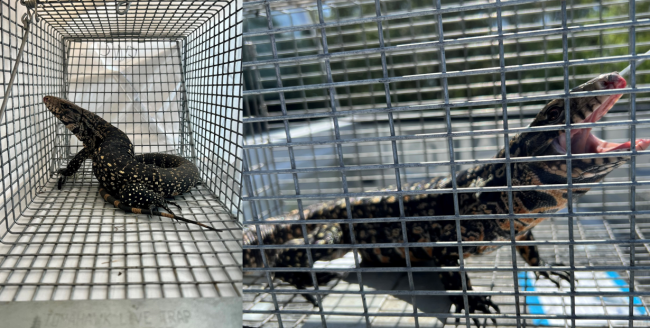
How They Got Here:
The story is almost always the same: They were exotic pets. People released them. They survived. They bred.
Tegus became popular in the reptile trade because they are:
Intelligent
Docile when handled
Impressive in size
Available in many color morphs
But they also grow fast, eat constantly, and require large enclosures. Many owners underestimated the commitment. When the lizards became too big or too expensive to care for, some were released into the wild — and the warm climate of the Southeast allowed them to thrive.
_____________________
Why Georgia Is the Hotspot:
Georgia’s climate, especially in the southern counties, is similar to parts of their native range. The state’s wildlife agencies have confirmed breeding populations in Toombs and Tattnall Counties, with scattered sightings elsewhere.
Key reasons they’re thriving:
Mild winters
Abundant food
Plenty of hiding spots
No natural predators large enough to control them
Once established, tegus spread quickly because they are highly adaptable omnivores.
_____________________
What Makes Tegus a Threat:
Tegus are not just big lizards — they are ecological bulldozers.
They eat almost anything:
Bird eggs
Turtle eggs (including threatened species)
Snakes
Frogs
Small mammals
Fruits and vegetables
Carrion
Pet food left outdoors
Their appetite for ground‑nesting species is especially damaging. Georgia wildlife officials are particularly concerned about:
Gopher tortoises (a threatened species)
Ground‑nesting birds
Quail and turkey nests
Tegus also tolerate cooler temperatures better than many reptiles, raising concerns that they could expand northward over time.
How Big Do They Get?
Adult Argentine tegus typically reach:
3.5 to 4.5 feet long
10 to 20 pounds
They are powerful, fast, and capable of digging deep burrows. Females lay 20–30 eggs per clutch, which accelerates population growth.
_____________________
What Georgia Is Doing About It:
The Georgia Department of Natural Resources (DNR) has taken several steps:
Declared tegus an injurious species
Made it illegal to release them
Encouraged residents to report sightings immediately
Conducted trapping programs in known hotspots
Wildlife officials stress that early detection is critical. Once an invasive reptile becomes widespread, eradication becomes nearly impossible.
_____________________
What “Injurious Species” Means:
An injurious species is any animal that the federal government has determined can cause:
Harm to native wildlife
Damage to ecosystems
Agricultural losses
Risks to human health or safety
Once a species is officially listed as injurious, the government can restrict how it is moved, sold, or imported.
When a species is listed as injurious, it becomes:
1. Illegal to import into the United States:
You cannot bring it into the country without special federal permits.
2. Illegal to transport across state lines:
You can’t ship, sell, or move them from one state to another.
3. Illegal to release into the wild:
Releasing them is considered a wildlife crime.
4. Subject to removal or eradication efforts:
Wildlife agencies can trap, remove, or destroy them to protect native species.
_____________________
If you see a tegu in Georgia — alive or dead:
Sightings help wildlife biologists track where these invasive lizards are spreading. All sightings and removals need to be reported to the state so officials can monitor the population.
1. Report the Sighting Immediately:
Residents should contact the Georgia Department of Natural Resources (DNR) – Wildlife Resources Division.
You can report:
A live tegu
A dead tegu
Tracks, burrows, or photos
Trail‑camera images
Georgia DNR accepts reports through:
Their online invasive species reporting form
Local wildlife offices
The DNR hotline
2. Do NOT Try to Capture One:
Tegus are not typically aggressive, but they can:
Deliver a strong bite
Whip with their tail
Scratch with powerful claws
- are a known carrier of salmonella
Wildlife officials recommend keeping a safe distance and taking photos only if it’s safe to do so.
3. Landowners May Kill Tegus on Their Property:
Georgia law allows property owners to humanely kill tegus on their own land, but only with the landowner’s permission. This is because tegus are classified as an injurious species and pose a threat to native wildlife.
Important notes:
It must be done humanely
It must be done on private property
It must comply with all state firearm/discharge laws
The animal should still be reported to DNR afterward
Georgia DNR stresses that removal by landowners helps, but reporting is just as important for tracking the invasion.
_____________________
Tegus and Salmonella: A Public Health Concern:
Like many reptiles, Argentine Black and White Tegus are known carriers of salmonella bacteria. They can shed salmonella in their feces, on their skin, and in the environments they use. This is one more reason wildlife officials advise the public not to handle these lizards if they encounter one.
Key points:
Salmonella can spread through direct contact with the animal or anything it has touched.
Even healthy‑looking tegus can shed the bacteria.
Pets, children, and people with weakened immune systems are at higher risk.
If someone must handle a tegu (e.g., a landowner removing one), they should wear gloves and wash hands thoroughly afterward.