5 Invasive Fish:
For decades, Pennsylvania’s conservation efforts have focused heavily on invasive mussels, crayfish, and aquatic plants. However, invasive fish species are becoming an increasingly significant threat. Several are already established in the state, while others are approaching from neighboring watersheds. Together, they pose risks to native fish populations, aquatic vegetation, and long‑term ecosystem stability.
Below is an updated overview of the invasive and non‑native fish species currently tracked or monitored in Pennsylvania.
1. Northern Snakehead (Channa argus):
One of the most aggressive invasive predators in the eastern United States. Snakeheads tolerate low oxygen, can breathe air, and thrive in warm, shallow waters. Impact:
Preys heavily on juvenile fish, amphibians, and invertebrates
Competes with native predators such as largemouth bass
Capable of rapid population expansion
Pennsylvania prohibits possession, transport, and release of all snakehead species.
2. Round Goby (Neogobius melanostomus):
Introduced through ballast water in the Great Lakes, now spreading through connected waterways. Impact:
Outcompetes native sculpins and darters
Consumes eggs of smallmouth bass and walleye
Alters benthic food webs
Round gobies are now present in parts of the Allegheny River system.
3. Ruffe (Gymnocephalus cernua):
A small Eurasian perch species with a high reproductive rate. Impact:
Displaces native perch and other small fish
Feeds aggressively on zooplankton
Thrives in turbid, disturbed waters
4. European Rudd (Scardinius erythrophthalmus):
Often introduced through bait releases. Impact:
Hybridizes with native golden shiners
Alters aquatic vegetation through grazing
Reproduces rapidly in ponds and slow‑moving waters
5. Carp in Pennsylvania: Long‑Established but Non‑Native:
Carp are among the most misunderstood fish in Pennsylvania. Many anglers grew up catching them — especially in the 1950s–1970s — and assume they are native. In reality, no carp species are native to Pennsylvania, but one species has been here so long that it feels native.
5A. Common Carp (Cyprinus carpio):
Status: Non‑native, introduced in the late 1800s Establishment: Widespread and naturalized
Common Carp were intentionally introduced to the United States by federal agencies as a food source. By the early 1900s, they had spread into nearly every major river system in Pennsylvania. By the 1950s and 1960s, they were so abundant that generations of anglers — including many Pennsylvanians today — grew up catching them regularly.
Impact:
Disturbs sediment while feeding, increasing turbidity
Uproots aquatic vegetation
Competes with native fish for habitat
Alters spawning areas for sunfish, bass, and other species
Although not classified as a “new” invasive species, Common Carp remain one of the most ecologically disruptive non‑native fish in the state.
5B. Grass Carp (Ctenopharyngodon idella):
Status: Non‑native, introduced for vegetation control
Grass Carp (also called White Amur) were brought to the U.S. for aquatic plant management. Pennsylvania permits only triploid (sterile) individuals, but historical introductions included fertile fish.
Impact:
Removes large amounts of aquatic vegetation
Can alter habitat structure for waterfowl and native fish
Potential to escape into rivers and spread
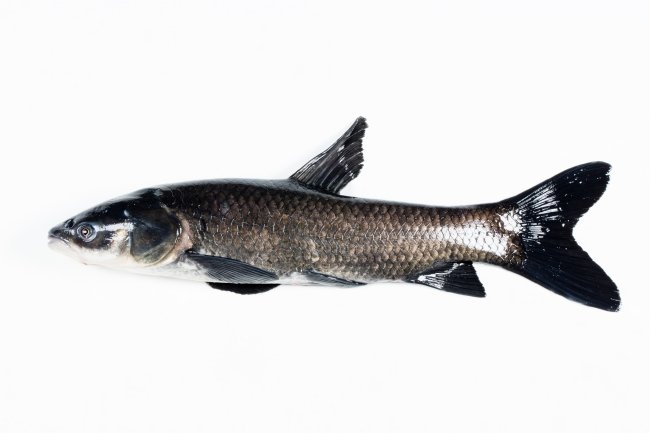
5C. Asian Carp Species (Bighead, Silver, Black Carp):
Status: Not established in Pennsylvania but considered high‑risk
These species are the focus of national concern due to their explosive reproduction and ability to dominate ecosystems.
Impact:
Bighead & Silver Carp: consume massive amounts of plankton, starving native fish
Silver Carp: known for leaping behavior, dangerous to boaters
Black Carp: feeds on mussels, threatening endangered native species
Pennsylvania lists all Asian carp species as prohibited.
6. Native: But Invasive When Moved:
Some species are native to parts of Pennsylvania but become invasive when introduced elsewhere:
Flathead Catfish — voracious predator, impacts shad and river herring
White Perch — competes with native panfish and hybridizes with white bass
These fish spread primarily through illegal stocking and bait transfer.
Management & Reporting:
The Pennsylvania Fish & Boat Commission encourages:
Immediate reporting of unusual or unidentified fish
Avoiding release of aquarium species
Proper disposal of bait
Thorough cleaning of boats and equipment
Monitoring efforts include electrofishing surveys, eDNA sampling, and watershed‑level risk assessments.
Conclusion:
Invasive and long‑established non‑native fish continue to reshape Pennsylvania’s aquatic ecosystems. Carp, in particular, illustrate how a species can become culturally familiar while still exerting significant ecological pressure. As researchers track these species across the state, early detection and public awareness remain essential tools for protecting native biodiversity.
Carp Myths vs. Facts (Quick Reference):
Myth: “Carp are native to Pennsylvania.” Fact: No carp species are native. Common Carp were introduced in the late 1800s and simply became widespread.
Myth: “Common Carp have always been part of PA fishing.” Fact: They only seem native because they were heavily stocked and already abundant by the mid‑1900s.
Myth: “Carp don’t harm waterways — they’re just big fish.” Fact: Carp uproot vegetation, increase turbidity, and disrupt spawning habitat for native species.
Myth: “Grass Carp are safe because they’re sterile.” Fact: Only triploid Grass Carp are sterile. Historical introductions included fertile fish, and escaped individuals can still alter ecosystems.
Myth: “Asian Carp aren’t a concern here.” Fact: They are not established in PA, but nearby populations pose a high‑risk threat due to rapid reproduction and plankton consumption.
You might also like: The Great Outdoors in Pennsylvania: